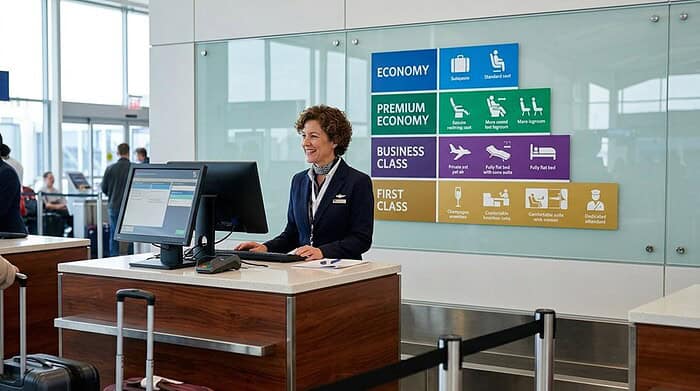
Using a travel agent can grant you access to exclusive deals, personalized support, and assistance during disruptions, but it may come with higher costs and less flexibility. Booking yourself allows direct control over your itinerary, quick comparisons, and last-minute changes, yet it requires thorough research and handling issues independently. Your choice depends on your trip complexity, familiarity with destinations, and preference for convenience versus control. Exploring further will help you determine the best approach for your travel needs.
TLDR
- Using a travel agent provides access to exclusive deals, personalized support, and assistance during disruptions, unlike self-booking.
- Self-booking offers greater control, flexibility, and cost savings through direct comparisons and spontaneous trip arrangements.
- Travel agents handle complex itineraries, emergencies, and vendor relationships, reducing stress and potential errors for travelers.
- Booking yourself requires research, organization, and quick decision-making, especially for last-minute or popular destination trips.
- Evaluate your needs, budget, and destination familiarity to choose between professional assistance or direct self-booking.
Should You Use a Travel Agent or Book Yourself?

Deciding whether to use a travel agent or book your trip yourself depends largely on your preferences and the complexity of your vacation planning. A travel agent can save you time, access exclusive deals, and handle complex bookings for large groups or destinations needing local knowledge. Self-booking offers greater control, flexibility, and is ideal for spontaneous trips or budget-conscious travelers. When shopping for seats, it can help to check seat width against the aircraft’s reported measurements, since seat width and pitch vary by airline and configuration.
What Are the Main Benefits of Booking Through a Travel Agent
Booking through a travel agent offers expert support in planning your trip, ensuring all details align with your preferences and needs.
They’ve access to exclusive deals, upgrades, and amenities that aren’t always available online, which can save you money and enhance your experience.
Additionally, agents can assist you during disruptions or cancellations, providing peace of mind and personalized service throughout your expedition.
They can also help you plan practical in-flight comfort items by confirming airline compatibility, especially for airline policy rules that may restrict certain travel devices.
Expert Travel Planning Support
Have you ever wondered how much easier travel planning can be with expert help? With expert travel planning, you get personalized guidance customized to your preferences and budget.
Travel agents provide all-encompassing support during your trip, handling emergencies, rebookings, and last-minute changes.
They also utilize industry connections for upgrades and perks, saving you time and ensuring a smooth, stress-free experience.
Access to Exclusive Deals
One of the key advantages of working with a travel agent is their access to exclusive deals that aren’t available through standard online booking sites. They can secure special rates, upgrades, and amenities through private inventory and exclusive offers.
Their industry relationships enable them to provide insider discounts, last-minute availability, and unique packages you won’t find on public platforms.
What Are the Drawbacks of Using a Travel Agent
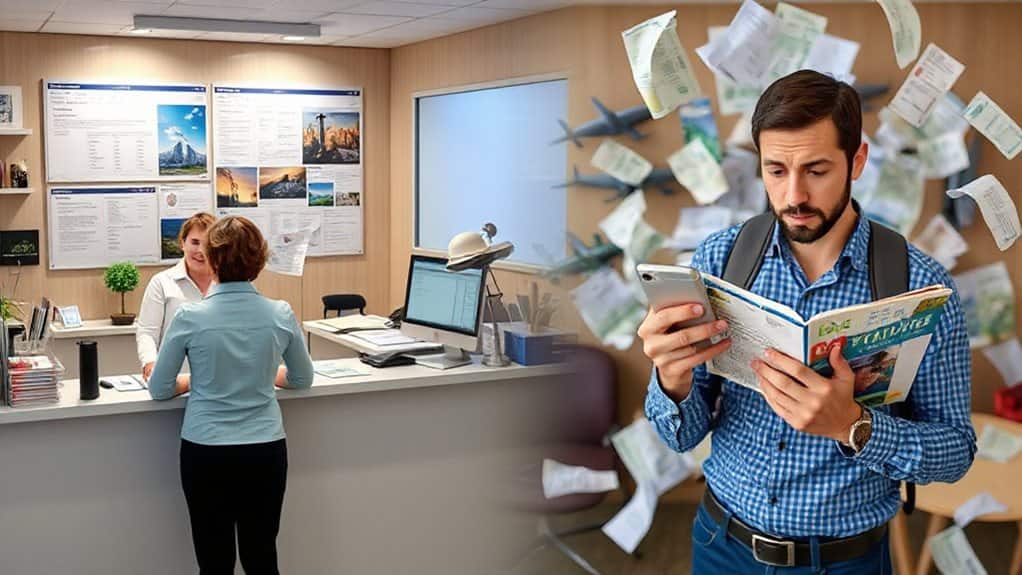
Using a travel agent can sometimes lead to higher costs because of additional service fees or commissions that get added to your trip expenses.
You might also find your options limited, as agents often work with specific vendors, which reduces the variety of choices available.
Additionally, relying on an agent can cause communication delays, especially if they’re in a different time zone, making last-minute changes more difficult.
Potential Higher Costs
While travel agents can provide worthwhile assistance, their services often come with additional costs that may make your trip more expensive. Booking through a travel agent can include higher costs due to service fees, commissions, and markups on flights, hotels, or activities.
These extra expenses might outweigh savings from travel insurance or exclusive deals, especially for budget-conscious travelers.
Limited Trip Flexibility
Planning your trip with a travel agent can limit your ability to make last-minute changes, since many plans are finalized before booking. This results in limited flexibility, as itinerary changes may be difficult or costly.
Unlike online booking platforms, which allow instant adjustments, agent-managed plans often require time-consuming communication, restricting spontaneous upgrades or modifications during your trip.
Communication Delays
Communication delays can pose significant challenges when working with a travel agent, especially if you need quick updates or urgent assistance. Travel agents may have slower response times due to time zone differences or peak seasons.
This can cause delays in confirmations or changes. Booking yourself offers more immediate communication, reducing misunderstandings and allowing faster adjustments, particularly during last-minute travel plans.
When Is Self-Booking the Better Choice

Self-booking is often the better choice when you need to make quick arrangements, such as for last-minute trips or spontaneous getaways. It offers greater control over your itinerary, allowing for customized itineraries designed to your preferences. Budget-conscious travelers can compare prices directly, avoiding agent fees. Those familiar with their destination can often find more flexible, efficient options. You can also keep an eye out for airport lounge access options using the credit card or ticket perks you already have.
What Are the Limitations of Self-Booking
While self-booking can offer flexibility and cost savings, it also has notable limitations. It demands extensive research and comparison, which can be overwhelming.
During disruptions or emergencies, you’re left to handle issues alone. Managing complex itineraries and multiple reservations increases the risk of errors, and you might miss out on exclusive deals or perks that travel agents can access through industry connections. For example, popular sights like the Museo del Prado can have lines, so planning and timing are crucial even when you’re booking everything yourself.
How to Decide Which Booking Method Fits Your Trip Goals

Deciding which booking method aligns best with your trip goals depends on understanding your priorities and comfort level with planning. If you value personalized support, insider deals, or complex logistics, a travel agent can help fulfill those needs. When choosing where to book, focus on tools that support offline access so you can still navigate and follow your plan even with limited connectivity. For full control, quick access to prices, or spontaneous trips, self-booking offers the freedom to tailor your itinerary exactly as you want.
How to Find a Reputable Travel Agent
Finding a reputable travel agent involves more than just a quick online search; it requires careful evaluation of their credentials, experience, and reputation.
Look for agents who are members of industry organizations like ASTA, which enforce professional standards.
Check online reviews and referrals to gauge customer satisfaction.
Ask about fees and personalized services to guarantee they meet your travel needs effectively.
Tips for Making Self-Booking Smooth and Stress-Free

Making self-booking smooth and stress-free begins with organization and planning. Use travel comparison websites to quickly review options. Create a detailed travel itinerary checklist covering flights, hotels, and activities to guarantee nothing is overlooked. Set notifications for booking deadlines, check-in times, and visa requirements. Keep all documents organized digitally for easy access during your trip. If you’re flying, remember that tray table height and posture can affect your comfort and perceived legroom, so consider seat choice accordingly.
Resources to Help You Choose the Best Booking Method
When choosing the best booking method for your trip, utilizing a variety of reliable resources can make a significant difference.
Use reputable sources like industry accreditation, client testimonials, and online reviews to assess travel agents’ proficiency.
Compare services and fees on booking platforms, and consult organizations like ASTA or travel forums to find trusted, verified options suited to your needs.
And Finally
Choosing between a travel agent and self-booking depends on your trip complexity, preferences, and confidence in managing details. Travel agents offer convenience, knowledge, and access to deals, but may cost more. Self-booking provides control and flexibility, yet requires time and research. Consider your comfort with planning, the trip’s intricacy, and your budget. By understanding each method’s advantages and limitations, you can make an informed decision that best aligns with your travel goals.