To negotiate prices abroad, start by understanding local customs and whether vendors expect bargaining or fixed prices. Set a clear budget, research typical costs, and decide your maximum limit before engaging. Approach vendors politely, compare prices, and show genuine interest without revealing your highest price early. Use body language and be patient; don’t hesitate to walk away if the price exceeds your limit. Continuing will provide more tactics to improve your negotiation success.
TLDR
- Research local customs and typical prices to set realistic negotiation expectations.
- Start with polite, below-maximum offers and compare prices from multiple vendors.
- Use body language and rapport-building to demonstrate genuine interest and patience.
- Be prepared to walk away if the price exceeds your pre-set limit.
- Approach street vendors differently than fixed-price stores, respecting cultural norms.
Learn How to Recognize Fair Prices and Cultural Norms
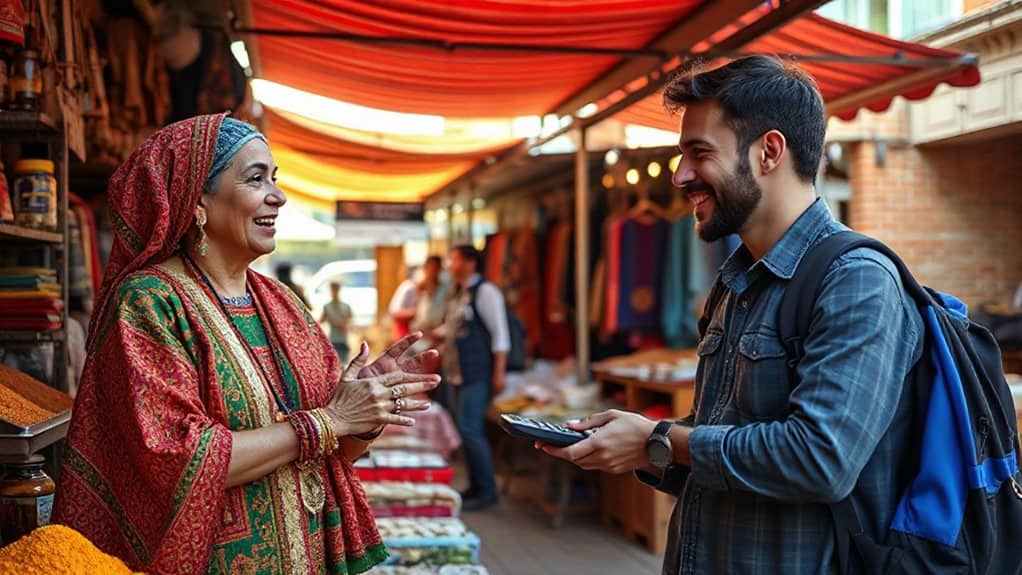
Understanding local customs and cultural attitudes toward bargaining is crucial when traveling abroad, as it helps you determine when and where negotiation is appropriate.
Pay attention to the asking price, learn common phrases in the local language, and look interested without appearing desperate.
Recognizing whether vendors expect bargaining or fixed prices guarantees respectful interactions and better chances of getting fair deals.
When negotiating in busy tourist areas—especially around major transit hubs—stay mindful of pickpocketing hotspots and keep your valuables secured so the interaction doesn’t distract you from theft risk.
Set a Negotiation Budget and Know Your Limits
Setting a clear budget before you start bargaining is essential to avoid overspending and guarantee you make informed decisions.
Know your maximum price, research typical costs, and decide your ideal offer.
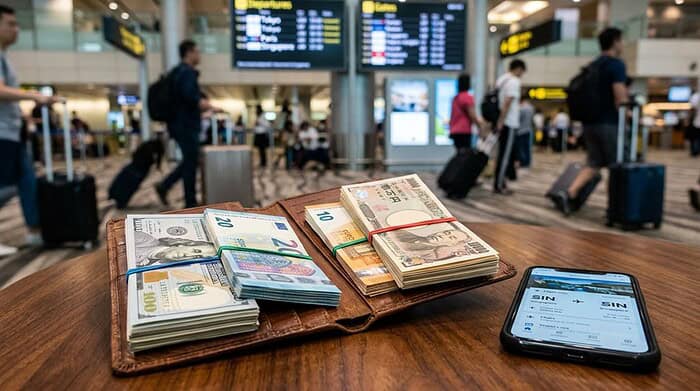
Use cash within your range to strengthen your position.
If the price exceeds your limit, be ready to walk away, ensuring you don’t make an offer you can’t afford.
Master Strategies for Starting and Progressing Negotiations
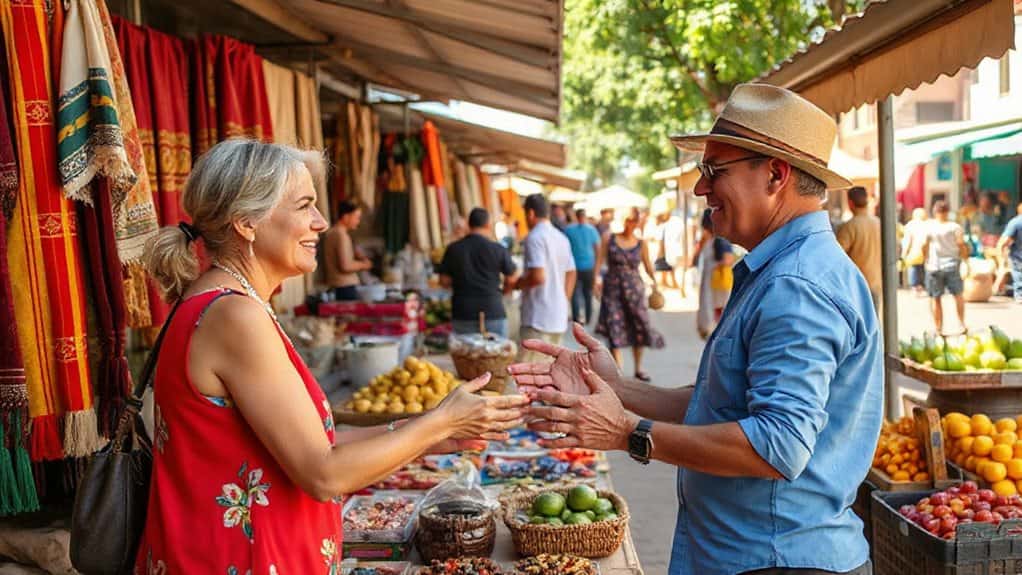
Starting a negotiation effectively involves setting the right tone and understanding how to initiate the discussion. Make your interest clear and suggest the price is too high, prompting the vendor to make an offer. Compare prices among vendors to know the market rate, and don’t reveal your maximum price early. Be patient, go back if needed, and use body language to signal you’re ready to negotiate. If you’re traveling with size-related needs, be prepared to ask about accommodations early—such as seat belt extenders—so you can negotiate costs or options before you commit.
When and How to Walk Away and Close the Deal
Knowing when to walk away from a negotiation can be a powerful tool to secure a better deal. If the seller can’t meet your maximum price, make the first offer and be prepared to walk away, especially at the end of the day. Vendors often lower prices when they see you’re genuinely ready to leave, increasing your chances of closing the deal on your terms. TSA PreCheck can also reduce decision fatigue at the airport so you have more mental bandwidth to negotiate confidently for everything else.
Negotiate Successfully With Market Vendors and Stores
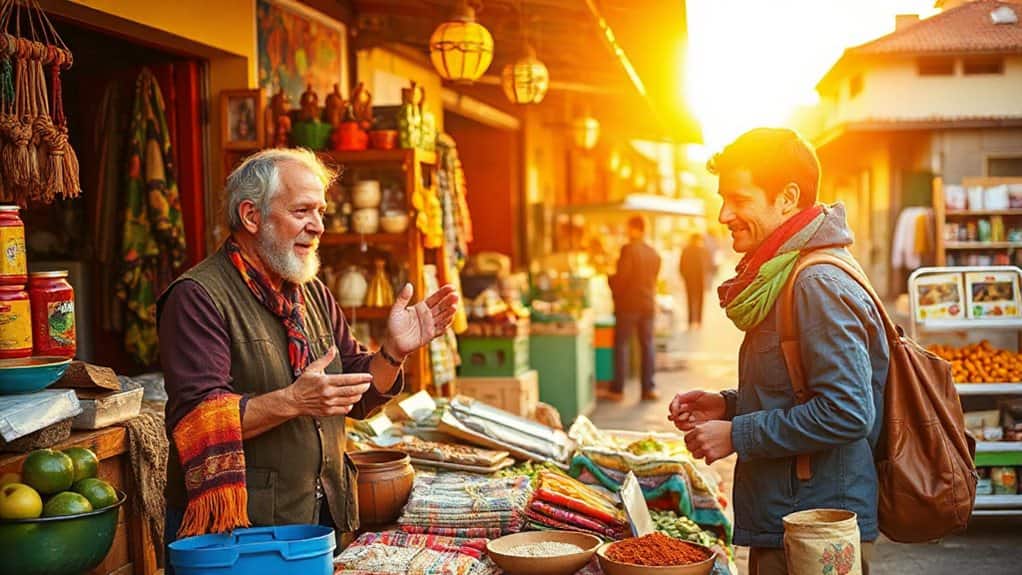
Bargaining with market vendors and street stalls requires a different approach than shopping in fixed-price stores. To negotiate successfully, compare prices from multiple vendors to understand local rates.
Use polite offers below your maximum budget and pay attention to price tags and vendor cues.
Building rapport and demonstrating disinterest can also help you secure better deals and more freedom in your shopping experience.
Be Respectful and Friendly to Get Better Bargains
Being respectful and friendly during negotiations can profoundly improve your chances of getting better prices. Small gestures like greeting with a smile, thanking the seller, or using local language phrases show respect and help build rapport. Maintaining a calm, courteous attitude encourages vendors to offer discounts and creates positive interactions. If you’re in Madrid while shopping, arriving early—especially for popular sights with long lines—can help you stay relaxed, which often makes negotiations go more smoothly.
Build Rapport Genuinely
Building rapport through genuine friendliness and respectful communication can considerably enhance your bargaining experience abroad.
By showing sincere interest, engaging in small talk, and using local phrases like “Hello” or “Thank you,” you build rapport naturally.
This approach encourages trust, making vendors more willing to offer better prices or extras, leading to a more successful and enjoyable negotiation process.
Use Respectful Language
Using respectful language during negotiations can greatly influence the outcome of your bargaining efforts. Maintaining a friendly tone and courteous dialogue encourages vendors to offer better prices.
Polite phrases like “Please” and “Thank you” in the local language promote goodwill, while respectful communication demonstrates cultural awareness.
Smiling and positive body language also help create a more accommodating atmosphere.
Maintain Friendly Demeanor
Maintaining a friendly demeanor during negotiations can considerably improve your chances of getting better prices. Being polite and respectful helps build rapport with vendors, encouraging cooperation.
Smiling, engaging in small talk, and showing genuine interest make the vendor more receptive. Avoid impatience or frustration, as kindness and courtesy cultivate trust, increasing the likelihood of receiving favorable deals.
And Finally
Effective negotiation while traveling abroad requires understanding local customs, setting clear limits, and practicing respectful communication. Recognize fair prices and cultural norms to avoid overpaying. Use strategic opening offers and know when to walk away or close a deal. Engaging politely with vendors often yields better bargains. By combining these techniques, you can negotiate confidently, ensuring you get fair prices without offending anyone. This approach helps you enjoy your trip while managing expenses wisely.