You’ll see London’s top sights like the Tower of London and Buckingham Palace in three days, but five to seven days gives you time for museums, parks, and a day trip without rushing. Summer brings big crowds and high hotel occupancy, so book attractions and stays early. For a relaxed pace and deeper exploration, longer stays help. If you’re planning ahead, timing your visit in the shoulder seasons can save money and shorten lines—smart choices open up more of the city.
TLDR
- Two days suffice for major sights like Buckingham Palace and the Tower of London.
- Three days allow visits to top attractions plus neighborhoods like Covent Garden.
- Five to seven days enable full museum tours, park visits, and nearby day trips.
- Ten or more days let travelers explore diverse areas and experience local life deeply.
- Visit in shoulder seasons for fewer crowds, lower prices, and better attraction access.
How Long Should You Spend in London?
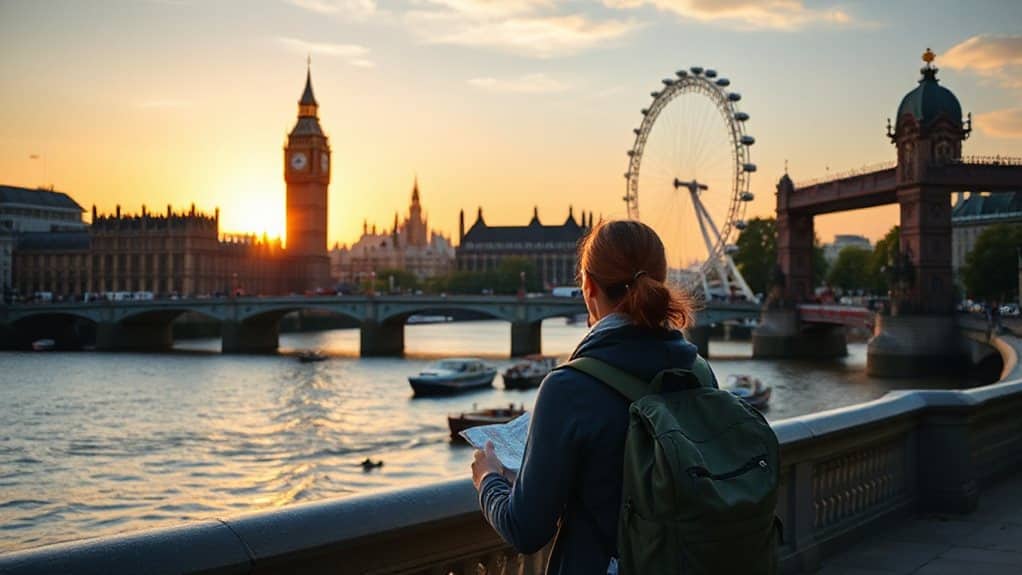
Planning your trip to London starts with figuring out how much time you’ve got. Two days covers major sights like Buckingham Palace and the Tower of London. The city’s rich museums mean you can easily spend hours exploring collections like those at the National Museum on a single day.
Three days adds neighborhoods like Covent Garden and Notting Hill.
For a relaxed, full experience, spend five to seven days. That gives you time for museums, parks, and day trips—ideal if London’s your main stop. You can also explore highlights like the Changing of the Guard.
3 Days in London: A First-Timer’s Perfect Stay
You’ve got a sense of how long to stay in London, and now it’s time to shape that time into a smart, satisfying visit.
Three to five days is ideal for first-timers. Cover Westminster Abbey, the Tower of London, and the South Bank.
Beat crowds early, include Crown Jewels, parks, markets, and museums. Add day trips if you’ve got seven days. The Prado is best visited early in the morning to avoid lines and make the most of its extensive collection, including Velázquez royal paintings.
5–7 Days: Explore Deeper Without Rushing
Diving into London with extra time lets you move beyond the highlights and truly absorb the city’s rhythm. You’ll delve into neighborhoods deeply, enjoy slower mornings, and visit museums without rushing.
International visitors average 5–6 nights, but staying longer mirrors the 12.2-night UK trips of London+ travelers. With domestic stays averaging 28 million nights yearly, many choose extended visits to experience London’s full depth. New Zealand travelers often plan longer trips (a minimum of 14 days is recommended) to visit both islands, so many combine London with wider international itineraries when time allows.
10+ Days: Go Beyond Tourist Spots and Discover Local Life
With more time in London, you start living like a local instead of just passing through. Discover Shoreditch’s pop-ups, Brixton’s markets, or Camden’s music scenes.
Wander Notting Hill’s colorful streets, relax in Hampstead’s green spaces, or sip coffee in Dulwich’s village cafes.
Each neighborhood offers distinct culture, from Peckham’s Afro-Caribbean roots to Marylebone’s quiet charm. You’ll experience authentic life beyond the tourist trails. Take a half-day tour on foot to become acquainted with a neighborhood and spot hidden gems like local bars and restaurants with walking tours led by students.
Best Time to Visit London for Your Ideal Trip Length
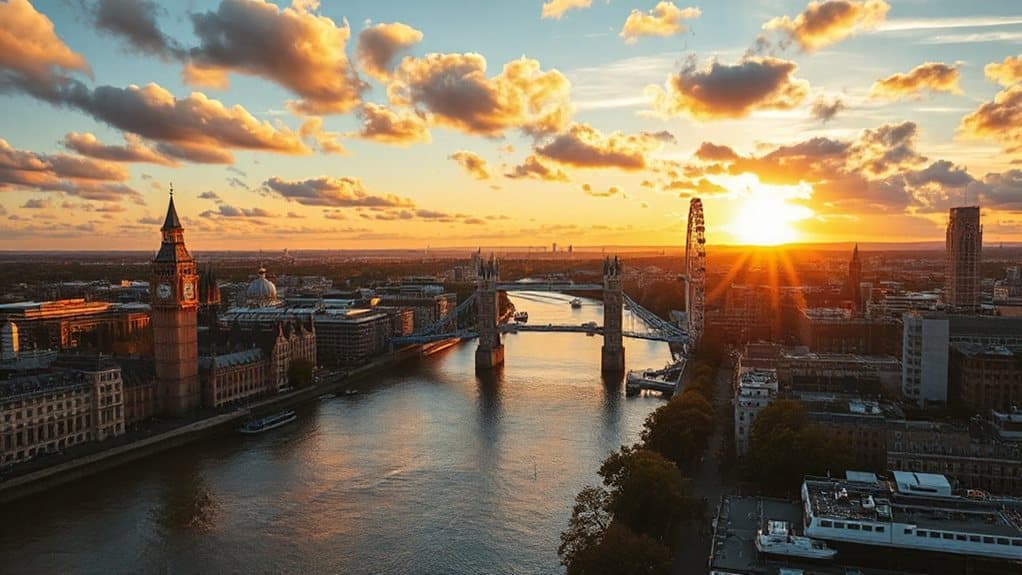
While the ideal time to visit London depends on your travel preferences and planned length of stay, seasonal patterns play a key role in shaping your experience.
For mild weather and fewer crowds, choose late spring or early fall. Summer offers long days but higher prices and congestion. Winter brings lower costs and holiday charm, yet shorter daylight and colder conditions. Consider planning around local festivals to enjoy unique cultural events and potentially better deals.
Summer in London: Why You Should Book Early
Summer in London means bigger crowds, so you’ll want to book attraction tickets well ahead to secure your spot.
With July and August seeing the highest visitor numbers and temperatures, popular spots often require timed entry that sells out fast.
Planning early also helps you lock in event access and avoid last-minute price hikes.
Many major cities blend nature with modern architecture and technology, so consider adding visits to iconic gardens like Gardens by the Bay when planning multi-city trips.
Peak Season Crowds
You’ll often find London at its busiest between June and August, when visitor numbers surge across the city.
July and August see over 15,000 daily visitors at major sites like the Tower of London, with Crown Jewels queues lasting up to an hour.
Central London welcomed 86.8 million summer visits in 2025, an 8.6% rise from 2024.
Plan ahead to maneuver through crowds efficiently.
Advance Attraction Bookings
Booking your attraction tickets ahead of time helps you save hours during peak season, especially when crowds are thickest from June to August.
You’ll skip long lines at top spots like the British Museum or Tower of London.
Over half of visitors book early—62% of UK tourists do.
If you value flexibility, planning ahead still gives you more entry times to choose from.
Summer Event Planning
Snagging your tickets early opens the door to London’s lively summer scene, packed with music, culture, and outdoor excitement.
You’ll want front-row seats to events like the Last Night of the Proms or Lewis Capaldi’s outdoor show.
Major gigs, food festivals, and LGBTQ+ celebrations draw huge crowds.
Plan ahead to secure access and avoid missing out on headline acts or sold-out experiences.
Time Your Trip Right to See More and Save
Plan your trip during the shoulder seasons of spring or autumn to enjoy milder weather and smaller crowds at major attractions.
You’ll save money and skip the longest lines by visiting between March and May or September and November.
With fewer tourists around, you can see more of London without the summer rush.
Peak Season Planning
While summer brings the most favorable weather for exploring London, visiting between June and September means contending with peak crowds and higher prices.
You’ll face busy attractions and transport, especially in July and August.
Hotel rates rise with 86% occupancy in June and July.
Despite crowds, long daylight hours and warm weather up to 30°C make exploration easier.
Plan early to secure better rates and avoid the busiest spots.
Off-Peak Advantages
You’ll find London more relaxed and affordable when you head off the beaten path in timing as well as location.
Visit January to April or September to November for lower prices, fewer crowds, and mild weather.
Flights, hotels, and West End tickets cost less.
Spring and autumn offer pleasant conditions, while off-peak transport trials enhance convenience.
You’ll see more by avoiding summer’s rush and heat.
Seasonal Event Timing
If you time your visit to London around key seasonal events, you can align your trip with unique cultural experiences while making the most of off-peak value.
January offers parades, art fairs, and candlelight concerts. Summer brings food festivals and marathons. Autumn features design weeks and river celebrations. Winter bedazzles with light trails, skating, and holiday markets—each season delivers distinct, accessible highlights worth planning for.
And Finally
You’ll need at least 3 days to see London’s top sights like the Tower Bridge and the British Museum. If you have 5–7 days, you can discover neighborhoods, enjoy theater shows, and visit places like Kew Gardens. With 10 or more days, you’ll experience local life, day trips, and lesser-known spots. Summer draws crowds, so book early. The best trip length depends on your pace and interests.


