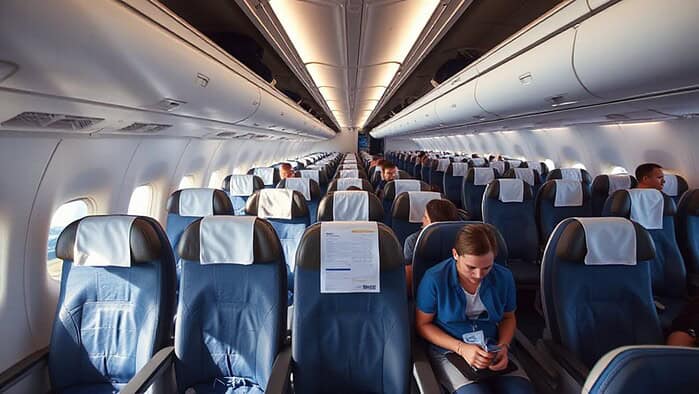
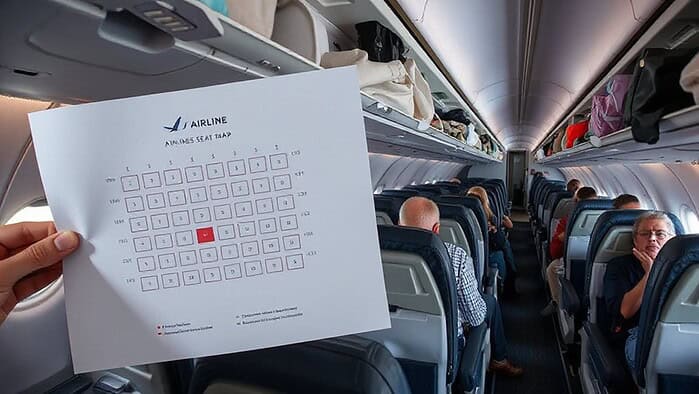
Airlines typically measure seat width from armrest to armrest, but here’s the catch: they often include part or even all of the armrest in that number. That means the actual space for your body—the inner armrest-to-inner armrest width—is usually smaller than advertised. A reported 17 inches might give you just 15.5 inches of usable space once cushions and armrest bulk are accounted for. Two-inch armrests and spacers eat into comfort, and most economy seats now prioritize capacity over fit—especially as passenger sizes have grown. You’re not getting the full inch airlines claim, and that gap matters more than you think. There’s more behind why those inches disappeared and who it really affects.
TLDR
- Seat width is often measured from outer armrest to outer armrest, including part or all of the armrest.
- True usable hip space is better reflected by inner armrest-to-inner armrest measurements.
- Some airlines add half or all of the armrest width, inflating reported seat width by up to two inches.
- Historical seat widths were 19–20 inches; most economy seats now range from 17–18.5 inches.
- Actual comfort depends on body fit within inner armrests, which are typically narrower than advertised widths.
How Airlines Measure Seat Width (And Why It’s Misleading)
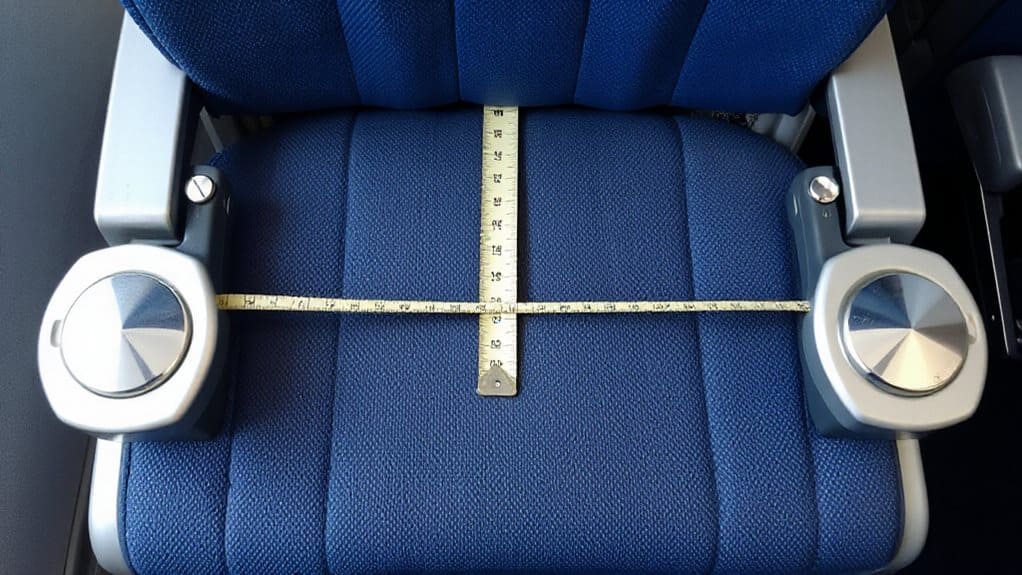
When you’re trying to figure out how much space you’ll actually have on a flight, seat width might seem like a straightforward number—until you realize airlines don’t all measure it the same way. Some count from inner armrest to inner armrest, giving true hip space. Others include half or even full armrest width, adding up to two inches of misleading shoulder room.
You’re better off trusting measurements between armrests—what actually fits your body. Airlines often report an average economy seat width of about 17 inches, but configurations can range several inches depending on aircraft and class.
Why Inner Armrests Define Your Real Seat Width
What if the seat width you’re promised isn’t really yours? It’s the inner armrest measurement—the space between armrests—that defines your actual seat width.
Airlines use this to determine comfort and extra fees. At 17–18 inches, it’s often too narrow, especially since most men and half of all women exceed the 17.7-inch shoulder space needed. Airlines also enforce strict carry-on and personal item size limits, which can affect what you can bring onboard carry-on dimensions.
How Armrest Design Shrinks Your Personal Space
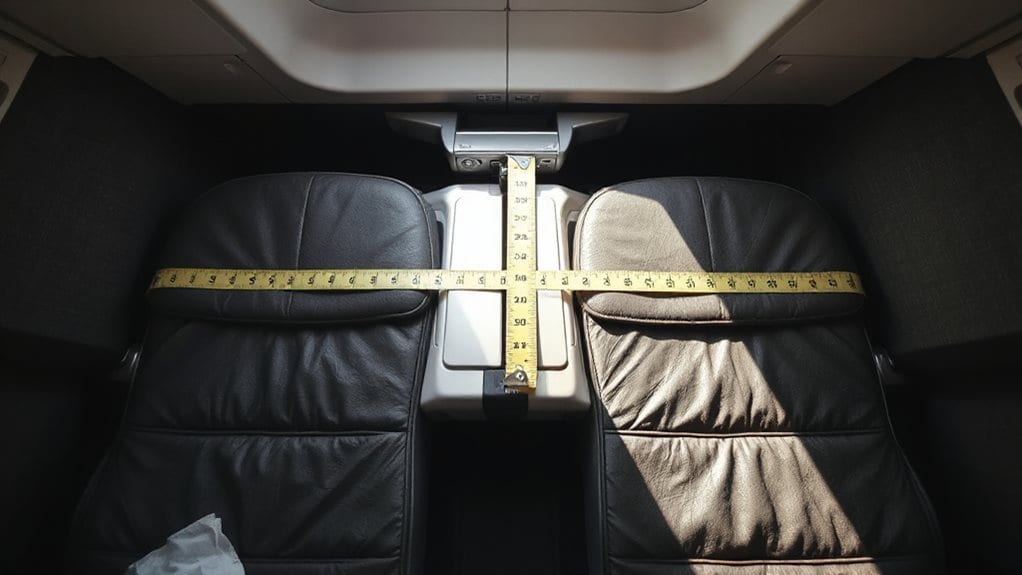
Your seat’s advertised width might seem straightforward, but the real space you get depends heavily on how armrests are designed. Two-inch armrests on most planes eat into cushion width, and 1-inch spacers shrink it further. Inner armrests define your usable space, often reducing personal room. Narrower armrests slow egress, while design tradeoffs prioritize capacity over comfort, especially in economy. Adjusting armrest height can significantly impact passenger comfort, particularly during smartphone use, where increased armrest height helps reduce neck strain. Consider measuring seat widths and armrest thicknesses before booking to assess actual seat space.
How Seat Width Shrank From 18 to 17 Inches
Though seat widths once hovered around 19 to 20 inches in the mid-1980s, most major U.S. airlines have since trimmed that space, gradually narrowing economy seats to between 17 and 18.5 inches by 2014.
You’ve likely noticed the squeeze—Southwest, United, and Delta each shed about 2 inches.
Despite proposals for minimum standards, carriers resist, citing evacuation rules and cost concerns.
Why Most People Don’t Fit in 17-Inch Economy Seats
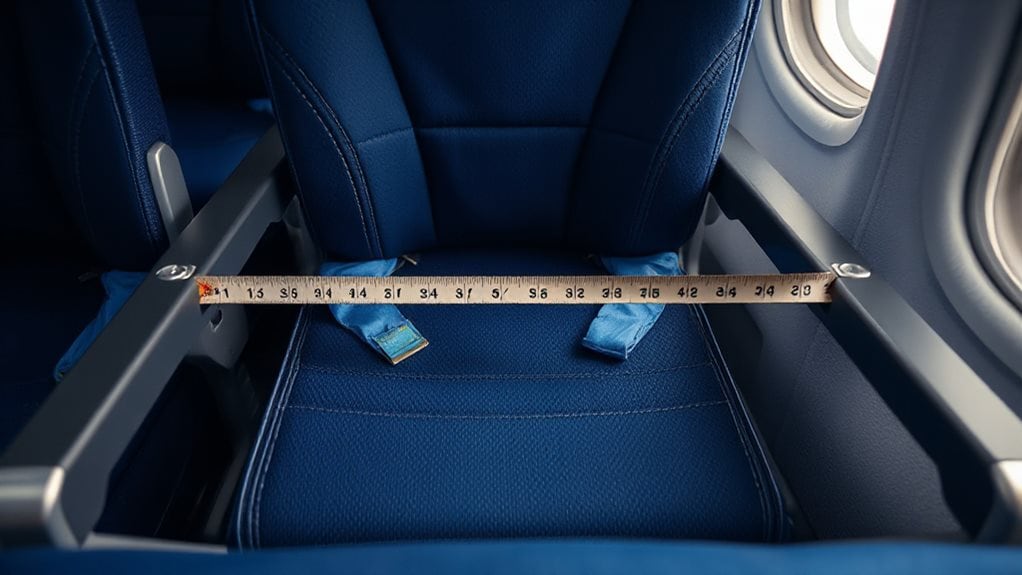
As passenger body sizes have steadily increased over the past several decades, fitting comfortably into a 17-inch economy seat has become a growing challenge for most travelers.
You’re wider now—hips and shoulders have grown, and 97.6% of men and half of women exceed the 17.7-inch shoulder guideline. Airlines stick to 17 inches to maximize revenue, but that leaves little room for you to move freely or sit without invading someone else’s space. Delta’s focus on maximizing cabin capacity often means strict enforcement of space-saving policies that can affect passenger comfort.
And Finally
You now see that seat width isn’t just about the number airlines advertise. The inner armrest cuts into your space, often reducing a claimed 17-inch seat to just 16 inches or less. Over time, seats shrank while passengers grew, making fit more cramped. Armrest design, materials, and placement all affect your comfort. Knowing this helps you choose seats wisely and set realistic expectations for your next flight.