
Airline fare classes are codes, like Y or J, that categorize tickets based on rules, flexibility, and service levels. Higher classes usually offer more amenities, change options, and reward points, while lower classes are cheaper but more restrictive. These codes determine restrictions on cancellations, baggage allowances, and upgrade eligibility. Understanding fare basis codes helps you choose the best option for your needs and budget. Continuing will reveal how these codes, along with seat availability and pricing, influence your travel choices.
TLDR
- Fare classes are coded letters indicating different ticket types with specific rules, flexibility, and service levels.
- Higher fare classes generally allow changes, cancellations, and earn more rewards, while lower classes are more restrictive.
- Airline systems use fare basis codes to validate rules, restrictions, and upgrade eligibility during booking.
- Prices and availability of fare classes fluctuate based on demand, booking window, and route, optimizing airline revenue.
- Fare class determines traveler benefits like upgrades, lounge access, baggage allowances, and reward earning potential.
What Are Airline Fare Classes and Why Do They Matter?

Airline fare classes are codes that indicate the type of ticket you purchase, including its price, flexibility, and benefits. These fare basis codes or booking class determine upgrade eligibility, miles earning, and fare rules. Fare buckets represent pools of seats sold at specific prices with defined rules. Understanding airline fare codes helps you select tickets aligned with your travel needs, offering clarity on ticket flexibility, restrictions, and potential amenities or upgrades.
How to Find Your Fare Class During Booking
During the booking process, finding your fare class can vary depending on the airline and platform. Typically, it appears in the booking summary or fare details, either directly on flight search results or after selecting your flight.
Look for the booking code or fare basis, which indicates your fare class, and check third-party sites under “Fare restrictions” or “Itinerary Details.” SeatGuru.com can also help you compare aircraft and seat measurements when deciding which flight and fare option is most comfortable.
How Fare Basis Codes Indicate Ticket Rules and Restrictions
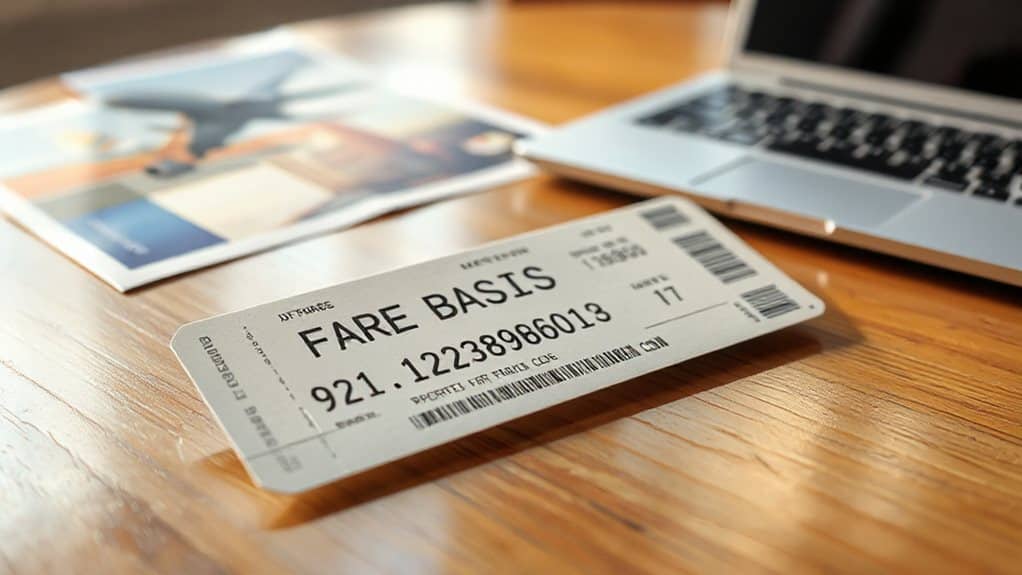
Fare basis codes serve as a compact way to communicate the specific rules, restrictions, and fare type associated with your ticket.
Your fare code reveals booking class, fare restrictions, and ticket rules, such as refundability or stay requirements.
During ticketing, airline systems use these codes to validate fare rules, ensuring you understand restrictions like change policies or travel dates.
The Different Types of Fare Classes Across Airlines and Service Levels
Different airlines assign unique fare class codes to categorize their various service selections, which can vary substantially between carriers. Fare classes, or fare codes, reflect their airline fare structure and service levels, from First to Economy.
These ticket classes include booking codes that influence fare rules, refundability, and flexibility, helping you understand the scope and restrictions of each fare basis code. Airlines also rely on real-time dynamic pricing that updates fares minute by minute based on demand, booking patterns, and competition.
How Fare Classes Affect Upgrades, Rewards, and Benefits

Your fare class directly impacts your upgrade priority, with higher classes often receiving preferential treatment for seat upgrades.
It also influences how many reward points, miles, or elite credits you can earn, with premium fares typically offering better rewards.
Additionally, certain benefits like lounge access and baggage allowances are usually tied to your fare class or elite status, not just the ticket you purchase.
In September, tourist crowds largely gone September advantages and accommodations can be cheaper after peak season, which may affect the overall value of what you choose to book.
Upgrade Priority Levels
Upgrade priority levels are primarily determined by the class of ticket you hold, with higher fare classes generally receiving precedence. Your upgrade eligibility depends on the fare code, fare class hierarchy, and elite status.
Booking earlier and choosing flexible fare classes can improve your upgrade process, as airlines prioritize those with higher fares and specific fare codes for upgrade requests.
Rewards Earning Potential
The fare class you choose considerably impacts your rewards earning potential, including miles, elite qualifying points, and access to benefits.
Higher fare classes, like premium economy and business, generally offer better earning rates and upgrade eligibility.
Basic economy fares often have limited or no earning potential, and your fare basis determines eligibility for elite benefits such as lounge access and priority boarding.
Decoding Fare Basis Codes: What the Letters and Numbers Mean
Fare basis codes are structured strings that provide detailed information about your ticket’s rules and restrictions.
By understanding what the initial letters, subsequent characters, and numbers represent, you can better interpret fare class features like refunds, stay requirements, and travel limitations.
Learning to decode these codes helps you identify flexibility, eligibility for upgrades, and any special conditions attached to your fare.
Because airlines use dynamic pricing that can change multiple times per day, the rules inside a fare basis code can matter just as much as the fare amount you see when you book.
Understanding Code Structure
Decoding fare basis codes can seem complex at first, but understanding their structure reveals essential information about your ticket’s rules and restrictions. Your fare code starts with a letter indicating the booking class, followed by characters that specify fare rules, fare type, and restrictions like stay duration or seasonality.
Recognizing this fare classification helps you steer through fare structure and flexibility options confidently.
Common Letter Meanings
Have you ever wondered what the letters in a fare basis code actually mean? These fare codes reveal details about your ticket class, like ‘Y’ for economy or ‘J’ for business.
They may also specify fare rules such as non-refundable status or stay requirements. Airline codes and numbers help clarify restrictions, making fare understanding easier and ensuring you know your booking class and fare rules.
Interpreting Rule Indicators
Understanding the rule indicators within fare basis codes is essential for grasping the specific restrictions and conditions attached to your ticket.
Fare code components, including the booking class and fare indicators, reveal fare rules, restrictions, and fare class interpretation.
Recognizing these elements helps you steer through ticket rules, such as refundability, change policies, stay requirements, and fare validity, ensuring informed travel decisions.
How Fare Class Influences Refundability, Baggage, and Flexibility
Your fare class considerably affects your travel experience, especially when it comes to refunds, baggage allowance, and flexibility. Fare codes determine refundability, with premium economy and higher classes offering full refunds and easy ticket changes. Baggage allowances vary, with higher fare basis classes including more checked bags and priority handling. Lower fare classes often restrict seat selection and incur extra charges. On travel days—especially in busy transit hubs—securing your phone and valuables can help protect your trip budget and flexibility if an incident occurs, since pickpocketing is most likely on the Underground.
Using Tools Like ITA Matrix to Search for Specific Fare Classes

Using tools like ITA Matrix can help you find specific fare classes that match your travel needs and budget.
By enabling advanced controls and using extension codes, such as “F bc=X,” you can search for fares in particular classes.
ITA Matrix displays fare basis codes and detailed flight info, making fare class research easier and more precise for your booking tools.
Tips for Choosing the Best Fare Class for Your Travel Needs
Choosing the right fare class depends on your specific travel needs and priorities.
To book smarter, consider fare basis, flexibility, and refundability.
Full-fare economy and refundable economy offer more perks, like upgrades and fewer change fees.
Discounted fares, such as Q or L, may have stricter policies.
Review fare rules thoroughly before selecting a fare class that suits your plans.
And Finally
Understanding airline fare classes helps you make informed decisions when booking, ensuring you choose the right ticket for your needs. By recognizing fare basis codes, rules, and restrictions, you can select options that suit your flexibility, baggage needs, and upgrade possibilities. Using tools like ITA Matrix can further refine your search. Ultimately, knowing how fare classes work enables you to optimize your travel experience, avoid surprises, and get the best value for your money.