
Set a realistic daily budget—about $177 if your annual leisure spend is $6,453—adjust it for a 1 % price rise and track every purchase with apps like Tripcoin or Mint. Travel in late fall or early spring to cut flights and hotels up to 25 %, and favor low‑cost carriers, buses, or trains. Stay in hostels, budget hotels, or shared rentals, and cook meals from groceries to halve dining costs. Pack light to avoid baggage fees, and use Splitwise or Tricount for group expense splits; doing so will reveal even more savings.
TLDR
- Travel in late fall or early spring to capture off‑peak airline and hotel discounts, cutting costs up to 25%.
- Use budget‑friendly accommodations like hostels, shared rentals, or staying with friends to eliminate or reduce hotel expenses.
- Track every expense in real‑time with apps such as TrailWallet, Mint, or Splitwise, and set daily category limits to stay within a $177 budget.
- Choose low‑cost transportation (e.g., Greyhound, Megabus, Spirit/Frontier airlines) and book weeks ahead for the best fares.
- Prepare meals from groceries or shared kitchens, reducing dining‑out costs from $34 to $16 per day.
Set Your Daily Travel Budget

How much should you actually spend each day while traveling across the U.S.? You’ll allocate roughly 36 % to flights, 30 % to lodging, 21 % to food, 7 % to entertainment, and 6 % to car rentals. With a $6,453 annual leisure budget, that translates to about $177 daily. Adjust for the 1 % price rise and consider cheaper short‑term rentals or hostels to stay flexible. Travelers are now taking more overnight trips as they prioritize longer, immersive stays. When planning nightly activities, prioritize well-lit, busy areas and trusted transport options to reduce risk after dark, such as avoiding transit hubs known for higher incidents like Gare du Nord.
Time Your Trip for Seasonal Travel Budget Savings
When you sync your travel dates with off‑peak seasons, you can shave a sizable chunk off your overall budget. Travel in late fall or early spring, when airline ticket and hotel prices dip, and you’ll often find cheaper domestic flights and lower lodging rates.
Staying with friends or family eliminates hotel costs, while shorter trips reduce expenses. This timing cuts your budget by up to 25 % and offers flexibility without sacrificing experience. Be aware that seat maps may not reflect real-time availability, so double-check seating and fare rules close to departure.
Choose Low‑Cost Transportation for Your Travel Budget
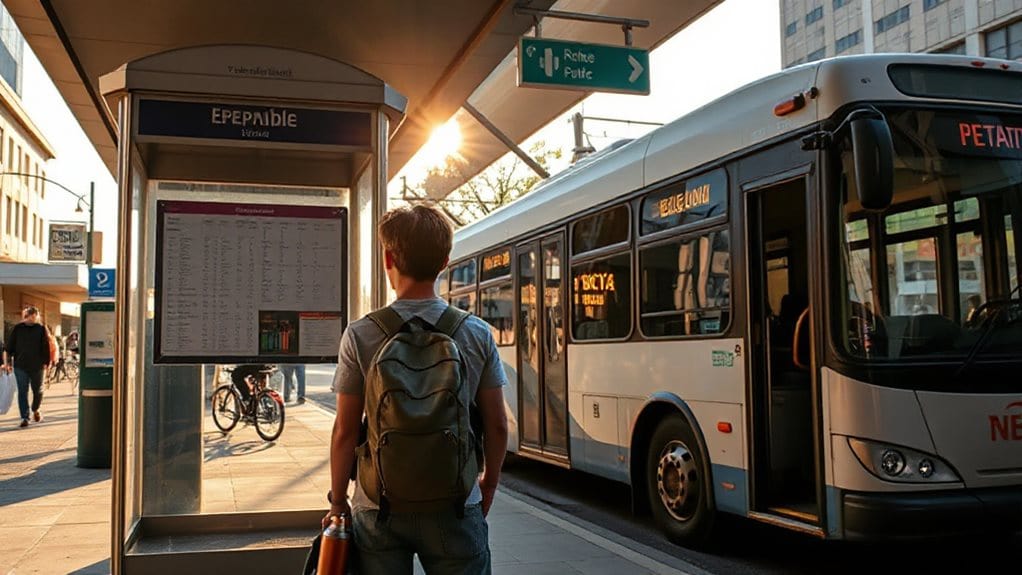
You can start by checking budget‑coach options that compare fares across airlines, trains, and buses, then lock in the lowest prices by booking early.
Many regional low‑cost carriers offer discounted tickets if you reserve weeks or months ahead, especially on off‑peak routes.
Consider pairing low‑cost fares with compact travel gear like inflatable footrests to maximize comfort without adding checked baggage.
Budget Coach Options
Ever wondered which coach services let you travel across the U.S. without breaking the bank? Greyhound, Coach USA, and Megabus dominate scheduled low‑cost routes, while Uber’s charter buses serve Houston and Dallas‑Fort Worth. National Charter Bus and GOGO Charters add amenities like Wi‑Fi and storage.
Over 1,800 operators cover every region, offering flexible pricing and seat‑sharing options for budget‑savvy travelers.
Book Early For Savings
How far ahead you book can dramatically cut your travel costs, especially when you choose low‑cost options like buses or regional trains. Secure tickets weeks in advance to lock in fares as low as $2.50 for day passes or $10 for unlimited weekend rail rides, saving you $30‑$40 compared with fuel and parking. Early booking also guarantees seats, reduces last‑minute stress, and lets you allocate saved money toward experiences, preserving your freedom to discover.
Use Regional Low‑Cost Carriers
Booking early locks in low fares, but the next step in stretching your budget is choosing the right regional low‑cost carrier. Spirit, Frontier, and Allegiant let you fly cheap if you pack light and skip extras.
Southwest offers free bags and snacks, while JetBlue adds Wi‑Fi and entertainment.
Avelo and Breeze serve secondary airports with point‑to‑point routes, ideal for flexible schedules and lower fees.
Find Affordable, Comfortable Accommodations for Your Travel Budget

You can start by checking host‑friendly budget hotels that offer clean rooms and basic amenities without breaking the bank. Hostels and shared spaces give you the chance to meet other travelers while keeping nightly costs low, especially when you book a private dorm or a mixed‑gender room.
Alternative lodging platforms also let you compare prices quickly, filter for comfort features, and often include discounts for longer stays. Persistence through the competitive process is recommended for those aiming to secure limited accommodations slots during peak travel periods.
Host‑Friendly Budget Hotels
Where can you find host‑friendly budget hotels that keep nightly rates under $150 while still offering comfort and convenience? In California, San Bernardino, Bakersfield and Riverside each stay under $150, giving you easy access to Southern road trips and national parks.
Outside California, El Paso, Reno, Oklahoma City, Tulsa and Laughlin provide comparable prices, while regional hubs like Charlotte and Huntsville add airline connectivity without breaking your budget.
Hostels & Shared Spaces
Looking for affordable, comfortable accommodations that also nurture social interaction? Hostels dominate the U.S. market, with dormitories accounting for 100 % of revenue in 2024 and growing fastest.
Private and hybrid rooms attract millennials and Gen Z seeking urban stays in New York, Los Angeles, and San Francisco.
Expect reliable Wi‑Fi, communal kitchens, and lively community spaces, all at budget‑friendly prices.
Alternative Lodging Platforms
When you dive into alternative lodging platforms, you’ll find a rapidly expanding market that offers affordable, comfortable stays beyond traditional hotels.
In 2025 the U.S. sector reached $60.48 billion and is projected to hit $276.80 billion by 2035, growing at 16.43 % CAGR.
OTAs dominate bookings, covering over 87 % of the market, while homes, apartments, and unique rentals drive diverse, cost‑effective options for extended and experiential travel.
Eat Like a Local to Save on Your Travel Budget

Ever wondered how much you could save by swapping a restaurant bill for a grocery run? You can cut average weekly dinner costs from $34 to $16 by buying groceries, especially in low‑cost states like Indiana at $328 monthly. A home‑cooked meal avoids the $191 monthly dining‑out average and reduces reliance on the 58.9% food‑away‑from‑home share, stretching your travel budget. Bring small travel essentials like wet wipes to stay hygienic and save on incidental expenses while on the road.
Leverage Free & Discounted Attractions to Stretch Your Travel Budget
How can you stretch your travel budget without sacrificing cultural experiences? Visit the Smithsonian’s 19 free museums, investigate the Getty Center’s admission‑free art and gardens, and check free‑admission evenings at local institutions. Use Blue Star Museums for military discounts, and the Museums for All program if you receive SNAP benefits. Free museums save $55‑$99 per visitor, maintain full hours, and offer comparable exhibitions.
Use Travel Apps for Real‑Time Travel Budget Deals

Where can you find the best real‑time deals for flights, hotels, and activities without spending hours scouring dozens of sites? Use Hopper, Google Flights, Skyscanner, Kayak, and Fareness for price predictions and alerts; HotelTonight, TravelZoo, Expedia, Orbitz, and CheapOair for discounted rooms and bundles; and TrailWallet, TripCoin, Splitwise, TripCount, and Splid to track expenses instantly. These apps keep you flexible and informed. For packing and organization on a budget trip, consider using lightweight clear shoe bags to keep footwear and dirty clothes separate and easy to spot.
Pack Smart to Keep Travel Budget Fees Low
Finding the best real‑time deals on flights, hotels, and activities saves you money, but the savings can evaporate quickly if you’re forced to pay extra baggage fees or purchase last‑minute gear. Create a destination‑specific checklist, roll clothes, and use compression cubes to fit everything in a single carry‑on. Choose versatile, layerable pieces, wear heavy items on the plane, and pack snacks and refillable toiletries to avoid airport premiums. This minimalist approach eliminates checked‑bag fees, reduces transport costs, and keeps you mobile.
Plan Group Trips to Share Travel Budget Costs

You’ll cut costs early by pooling money for airfare and lodging, then pick shared accommodations so everyone benefits from lower rates.
By coordinating group activities in advance, you can book tours or rentals at group discounts and avoid last‑minute price spikes.
This approach lets you focus on the trip itself while the budget stays balanced and predictable.
Split Costs Early
How can you keep a group trip from blowing past its budget? Discuss expectations before you book, assign each person a purchasing role, and set clear spending limits. Use apps like Splitwise or Tricount to log expenses instantly, attach receipts, and calculate shares. Consider a shared account with weekly contributions to pool funds, so no one fronts all costs and reimbursements stay painless.
Choose Shared Accommodations
Where can you find the most cost‑effective lodging for a group trip?
Shared accommodations such as Airbnb, Vrbo, and Booking.com listings dominate U.S. travel, with 33.6 million spare rooms available.
By booking a multi‑bedroom home, you cut per‑person costs, enjoy kitchen space, and extend stays without hotel fees.
Platforms handle 25 % of U.S. room nights, offering flexible, reliable options for families and friends.
Coordinate Group Activities
Ever wondered how to keep a group trip’s activities both fun and financially fair? Set budget expectations early and assign purchasing responsibilities. Use a rotating payment or kitty system for meals and tours, and split larger costs proportionally if incomes differ. Track everything live with Splitwise or Tricount, and designate a trip manager to enforce spending limits and reconcile receipts. This keeps freedom flowing while expenses stay balanced.
Optimize Spring‑Break Budget With Short Getaways
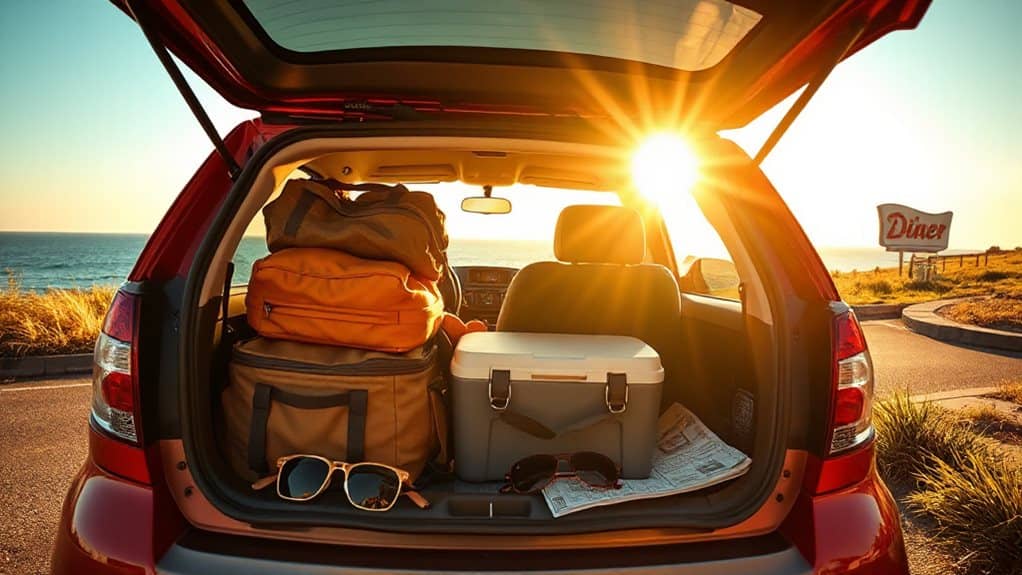
A quick spring‑break getaway can keep costs low while still delivering a memorable break, and choosing a destination with free attractions and affordable lodging is the key. Pick Gulf Shores for $120‑$180 condos and free beach access, or San Antonio for free River Walk and Alamo tours.
Gatlinburg lets you camp near Great Smoky Mountains without entrance fees, while Myrtle Beach offers a free boardwalk. Drive short distances to cut fuel, stay in cabins or budget hotels, and use local grocery stores for meals to stay under $2,500 for a family week.
Track Spending and Adjust Travel Budget Plans on the Fly
How can you keep your travel budget under control when expenses pop up unexpectedly? Use real‑time apps like Tripcoin, Mint, or Trail Wallet to log each purchase instantly, categorize it, and see daily totals.
Set category limits with Foreceipt or Bon Voyage Budget, then adjust on the fly if you overspend.
For groups, SplitWise and Tricount split costs instantly, while Zolve alerts you to balance changes, ensuring you stay free and financially secure.
And Finally
By setting a realistic daily budget, timing your trip for off‑peak seasons, and choosing low‑cost transport, you’ll keep expenses in check. Opt for affordable lodging, eat like a local, and pack efficiently to avoid extra fees. Traveling with a group spreads costs, while short spring‑break getaways maximize value. Continuously track spending and adjust plans as needed. These practical steps let you explore the USA without overspending, ensuring a smooth, financially sound adventure.