
When you check in, the hotel places a temporary hold on your credit or debit card to cover potential extras like minibar use, room service, or damages. This incidental hold typically ranges from $25 to $200 per night, depending on the property. It’s not a charge, just a reserve, and it’s released after checkout if no fees apply. Holds usually clear within 3–10 days, though longer for debit cards. You’ll want to know how long your hold might last and what could affect it.
TLDR
- A hotel incidental hold is a temporary reserve on your card for potential extra charges during your stay.
- Holds typically range from $25 to $200 per night, varying by hotel type, location, and policies.
- The hold covers incidentals like minibar use, room service, Wi-Fi, or damages, not the room rate itself.
- No money is charged unless extras are used; the hold is released after checkout.
- Credit card holds usually clear in 3–7 days, while debit card refunds may take up to two weeks.
What Is a Hotel Incidental Hold?

When you check in to a hotel, the front desk will usually place a temporary hold on your credit or debit card—this is known as a hotel incidental hold. damage charges on the same card is the same card and the same dispute process, covered in hotel room damage consequences.
It reserves funds for extras like parking, minibar, or damages, but doesn’t charge you yet.
Think of it like a security deposit.
The hold lifts after checkout, freeing up your available balance.
This hold typically ranges from $25 to $200 per night, depending on the property, and is used to cover potential variable revenue streams.
Hotels may also delay posting final charges for several days after checkout while incidentals are reconciled.
Why Do Hotels Require an Incidental Hold?
Hotels place incidental holds on your card for several practical reasons, building on the basic idea that these temporary holds act like security deposits.
They cover potential damages, lost keycards, or minibar charges, giving you freedom to enjoy amenities without upfront payments.
Holds also satisfy network rules, protect against unpaid fees, and manage risks—especially with groups—ensuring smooth checkouts and service access while safeguarding hotel operations.
Many hotels with 24-hour front desks and overnight shifts are prepared to handle late arrivals and incidental hold issues for guests who arrive after standard office hours (24-hour staffing).
How Much Is a Typical Incidental Hold?
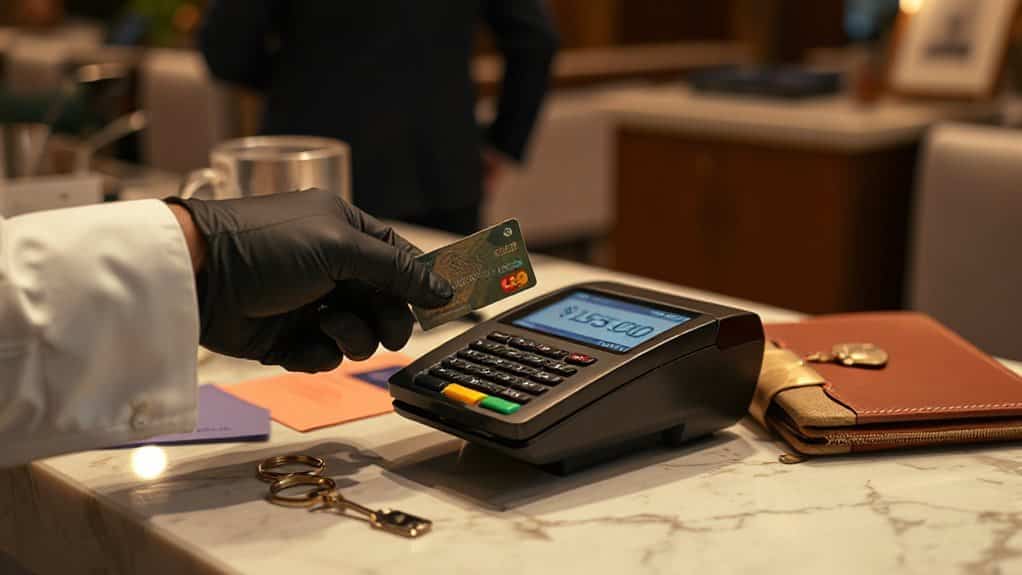
A typical incidental hold usually ranges from $25 to $200 per night, depending on the hotel’s policies and your stay details.
Upscale or resort properties may hold more, especially during peak seasons or for longer stays.
Multiple rooms increase the total hold.
Luxury hotels often cap at $200 nightly, while location, rating, and chain rules also shape the amount.
How hotels set the amount (sources checked 6 November 2026):
| How the hold is set | Typical amount | What it covers | Where to confirm |
|---|---|---|---|
| Per night | $25 to $200 a night, the range this guide uses | Extras: minibar, parking, room service, damages | The property’s own booking terms |
| Per stay, flat fee | One IHG property quotes $150 to $250 for the stay, higher for longer stays | Extras, plus any resort or city fees | IHG deposits and holds |
| Room rate plus a buffer | The room rate and tax, plus a margin | The room itself if the bill goes unpaid, plus incidentals | Hilton payment FAQs |
| Prepaid or non-refundable rate | Incidentals only | Extras only, because the room is already paid for | Hilton payment FAQs |
No major chain publishes a single national figure: the amount, the timing and the release all vary by hotel, rate and card issuer, which is why the table is organised by method rather than by brand. If the amount matters to your budget, ask the front desk at check-in what they are authorising and when it releases.
Front desks will usually replace lost key cards at no charge, though repeated replacements may incur a modest fee and it’s wise to report a lost card promptly to prevent further access security risk.
What Gets Charged to Your Incidental Hold?
You’ll find that incidental holds cover a range of extra charges beyond your room rate, all of which can be deducted from the hold if not paid separately.
You might use in-room Wi-Fi, order room service, or watch a movie. Spa visits, minibar snacks, and laundry also count. If you cause damage or break policies, those fees apply too.
Early departures may affect billing and could incur an early departure fee depending on hotel policy.
How to Get Your Incidental Hold Refunded
Once you check out, the hotel will release or refund your incidental hold as long as there are no damages or extra charges. Credit card holds typically clear in 3–7 days, though banks may take up to 10.
Debit card refunds can take up to two weeks. No action is needed if everything’s in order—just let the process run. Hotels sometimes apply an early departure fee if you shorten your stay after check-in, which could affect the amount refunded.
Why Debit Card Holds Hurt More Than Credit Card Holds
With a credit card, an incidental hold reduces available credit but touches none of your cash. With a debit card, the same hold freezes real money in your account, sometimes for up to two weeks after checkout, which can bounce unrelated payments and overdraft you.
If a debit card is your only option: ask the front desk for the smallest hold they offer, confirm exactly when it releases, keep a buffer in the account, and if the hold outlasts the published window, the card issuer can usually release it before the hotel will.
And Finally
You now know how hotel incidental holds work. They’re temporary authorizations to cover potential extra charges, like room service or damages. The hold amount varies but usually includes a buffer beyond your room cost. It’s not a charge, so you’ll get it back after checkout. Release times depend on your bank, sometimes taking days. To speed things up, ask for a receip
Frequently Asked Questions
What is a hotel incidental hold?
It is a temporary hold the hotel places on your credit or debit card at check-in to cover extras like minibar, room service, parking, Wi-Fi or damages. It is a reserve, not a charge.
How much do hotels hold for incidentals?
Most hotels hold between $25 and $200 per night, depending on the property type and location, with some going higher.
How long does an incidental hold last?
The hold is released after checkout. Credit card holds usually clear within 3 to 7 days, while debit card releases can take up to two weeks.
Does an incidental hold cost you money?
No. Nothing is charged unless you actually use incidentals; the hold only reserves part of your available balance.
What charges count as incidentals?
Typical examples include minibar use, room service, parking and Wi-Fi, plus any damages to the room.
Why do hotels require an incidental hold?
It works like a security deposit, protecting the hotel against unpaid extras and damages while you stay.
t and confirm the final amount. Always check your statement later.