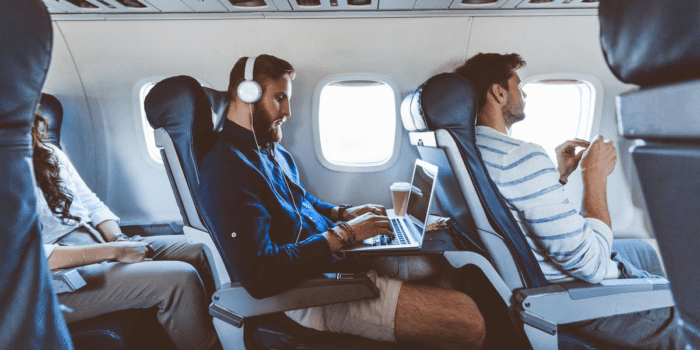
You don’t need a college degree to become a pilot, but having one can help your career. A degree might give you better job options and lower the number of flight hours needed for airline jobs. On the other hand, flight schools can get you licensed faster.
The most important credential is your pilot’s license, which is essential for any aspiring pilot. Training costs can be high, but financial aid and scholarship options are available. Your choice of education should depend on your career goals and a careful look at the costs and benefits of each path. To find the best route for you, it’s important to explore these factors more.
Quick verdict
| Question | Answer |
|---|---|
| Does the FAA require a degree | No. There is no degree requirement for a private, commercial or airline transport pilot certificate. |
| What the 1,000 hour rule really is | A restricted ATP. Graduates of an aviation bachelor’s at an FAA-authorized school apply at 1,000 hours instead of 1,500. |
| Does any degree qualify | No. It must be an aviation major at an authorized institution; an associate’s, or a bachelor’s with fewer aviation credits, gives 1,250. |
| What airlines prefer | A degree helps at the hiring stage, especially at the major carriers, but it is not a stated requirement at every airline. |
| Fastest route without a degree | Flight school, then a flight instructor job to build hours, then a regional airline once you hold the ATP minimum. |
| The cost question | A degree adds years and tuition before you are paid to fly. Only the aviation major buys back 500 hours. |
Understanding Pilot Responsibilities

Pilots have a big job in flying planes, whether taking passengers or cargo. To become a commercial pilot, you need a lot of training and at least 250 flight hours. This requires a serious commitment to accumulate the necessary flight time. The aviation industry has strict rules to ensure pilots are ready for their important role.
As a pilot, you will have several responsibilities, including managing flight time and ensuring passenger safety. You must check the aircraft before flying, talk to air traffic control, and make quick decisions based on the weather and other important factors. It is also crucial for pilots to be physically and mentally fit. This helps them keep high safety and performance standards while flying.
Educational Requirements Overview
To get a pilot’s license, you don’t need a college degree, according to the Federal Aviation Administration (FAA). However, a high school diploma or its equivalent is usually required to begin flight school. Many airlines, though, prefer applicants who have a college degree in aviation. A degree can also lower the number of flight hours needed for an Airline Transport Pilot (ATP) certification.
Studying for a degree can help you learn important topics like aviation mechanics and weather, which are key parts of pilot training. While you don’t have to earn a college degree in aviation, having any degree can improve your chances of getting a job in the airline industry.
Flight Training Essentials

To become a pilot, you need to start flight training. This training is important for getting different pilot licenses. You will begin with a Private Pilot License (PPL) and then work towards commercial ratings. The training includes studying and practicing smart decision-making in the cockpit, which is crucial for safety.
You will need to log a certain number of flight hours. Options like accelerated training can help you move through your training faster since the entire process can take more than 18 months. Whether your goal is to fly for fun or to pursue a career in aviation, dedicated training and time in the cockpit are key to reaching your dreams in the sky.
Degree Vs. No Degree: Pros and Cons
A degree in aviation can significantly improve your career as a commercial pilot. It can lower the number of flight hours you need and help you find better job opportunities. Knowing about cultural awareness is also important, especially when flying internationally as an airline pilot.
It’s like respecting local customs when you travel. However, having a degree is not required. Many successful pilots start their careers by attending flight schools, which can be a quicker and cheaper option to become an airline pilot. Your pilot license is the most important thing, but having a degree can help you understand key aviation concepts and boost your career.
Accelerated Pathways to Pilot Career

You can speed up your journey to becoming a pilot by joining accelerated training programs. These programs help you get the necessary certifications in less than two years. A common route is to become a Certified Flight Instructor (CFI), which allows you to gain flight hours while you work on an online degree.
Additionally, you can quickly increase rank as you enter the aviation workforce. There are also financial aid options that can help with the cost of flight training.
It’s also important to think about how flight attendants are staffed. Their practices play a big role in keeping flights safe and ensuring good service, affecting the flying experience.
Fast-Track Training Options
Accelerated flight training programs provide a quick way for future pilots to take to the skies. You can earn multiple certifications in just 10-14 months, including the Private Pilot License (PPL) and the Commercial Pilot License (CPL).
These fast-track options can also help you get a Certified Flight Instructor (CFI) rating. By combining flight training with college courses, you can make your journey to becoming a pilot even smoother.
Certification Accelerated Routes
Many flight training programs in the United States help you become a pilot faster. Programs like AeroGuard allow you to earn both your Private Pilot License (PPL) and Commercial Pilot License (CPL) in just 10 to 14 months. You will fly around 40 to 50 hours each month, which helps you complete your flight hours and certification requirements quickly. You don’t need a college degree to join these programs.
Quick Seniority Advancement
Becoming a pilot usually takes a long time, but there are faster flight training programs that can help you get there more quickly. These programs let you earn your commercial pilot license in just 10 to 14 months, allowing you to start accumulating flight time sooner. By finishing your training sooner and getting more flight hours, you can move up in seniority faster when you join a regional airline. This helps you have better job security, higher pay, and an improved quality of life.
Navigating Aviation School Options
When looking into aviation schools, you will find many training programs. Flight schools focus on pilot training and do not require a college degree, which makes them available to many people who want to become pilots without a degree.
The length of training can vary; you can pick accelerated programs that help you get certified faster or go to a community college for a more affordable option. Many schools also offer financial planning resources to help you manage training costs, which can be between $60,000 and $100,000. Some airlines even have special programs with certain schools to help you start your career as a pilot.
Career Advancement With a Degree

Getting a college degree can boost your career in the aviation industry. Airlines prefer to hire candidates with degrees because it shows they have important skills like commitment and critical thinking. This can lead to better job chances and lower flight hour requirements when applying for jobs.
Additionally, having a degree can help you move into leadership roles and specialized positions within major airlines, making it easier to advance in your piloting career. It’s also important for future pilots to understand safety regulations and compliance, such as drug testing policies in flight schools. This shows a dedication to upholding high industry standards.
Degree Benefits Overview
Having a college degree can help pilots in their aviation careers. If you hold a bachelor’s degree in an aviation major from an FAA-authorized school, the hours for a restricted ATP drop from 1,500 to 1,000. This means you can move up in your career faster and earn more money, with starting salaries around $50,000. Also, going to college gives you great chances to meet people who can help you find a job in this tough field.
Career Progression Impact
Having a college degree can really help you move forward in your career as a pilot. With a degree, you may have better job options and need fewer flying hours. Aviation graduates can apply for a restricted ATP at 1,000 hours.
In a tough job market like aviation, having a college education makes you more attractive to employers and can help you climb the career ladder faster.
Advancement Opportunities Analysis
Pilots who have a college degree often move up in their careers more quickly within the aviation sector. A degree can help reduce the number of flight hours needed to get hired by an airline. This gives you an advantage when looking for a job.
College also helps you develop important thinking skills that are useful during complicated flight situations as a commercial pilot. Plus, being in college allows you to meet people in the aviation industry, which can lead to mentorships and more job opportunities, enhancing your chances to become an airline pilot. This all boosts your chances for success in your pilot career.
Financial Considerations in Pilot Training
Becoming a pilot can be expensive. Flight training costs up to $100,000, and getting a college degree can go over $200,000. Luckily, there are financial aid options and scholarships available to help. To save money on travel during your training, consider using public transportation and finding low-cost activities while you’re away from home, which can help you manage expenses without a degree.
If you graduate with a degree, you will need fewer flight hours (1,000 hours) before you can start working, which may help you find a job sooner. There are also accelerated programs that cost around $90,000 and can help you get your pilot’s license faster and at a lower cost.
Realities of a Pilot’s Career Path

To become a pilot, you don’t have to have a college degree, but having one can help you get a job with big airlines. Your journey will include tough flight training to meet FAA rules. You must log at least 1,500 flight hours to get your ATP certification. This training to become a pilot is long and requires a lot of hard work. You must attend ground school and pass many tests to show you’re ready to fly.
Many pilots start their careers as flight instructors. This allows them to gain flying hours while also taking online classes when it fits their schedule. It can be a smart way to advance in this high-demand job.
Education Requirements
Becoming a pilot does not require a degree since the FAA does not have that requirement for a pilot’s license, allowing many to pursue this career without a degree. However, having a degree can help you. An aviation major at an FAA-authorized school can lower the hours for a restricted ATP from 1,500 to 1,000. Aviation degree programs give you more training and knowledge, which can improve your job chances. Ultimately, your career goals should help you decide what education path to take, especially if you are considering a bachelor’s degree to be a pilot.
Flight Training
Flight training is an important step to becoming a pilot but can be challenging. You start by getting your Private Pilot License (PPL), which takes several months of training and flight time in a flight school. Next, you’ll work on your Commercial Pilot License (CPL) and must log 1,500 flight hours to earn your Airline Transport Pilot License (ATP). While you don’t have to have a college degree, having one can help you stand out in this competitive field, especially for those aiming to become an airline pilot.
Career Advancement
Building a successful career as a pilot involves more than just logging flight hours. It’s also about finding ways to move up in a tough industry. A degree can help, especially if you want a leadership position in an airline.
However, it’s not the only way to succeed. Networking is also very important for aspiring airline pilots. Meeting people in the industry can lead to mentorship and job opportunities that can help you advance in your career as you work to become an airline pilot.
Making an Informed Decision
When considering getting a college degree to become a pilot, there are a few important things to consider. First, consider your career goals and how a degree might help you qualify for different pilot jobs. While flight training is very important, having a college degree can give you an edge, especially when applying to major airlines.
Many airlines prefer hiring candidates with a degree because it shows they have gained valuable knowledge and skills that can support their flight training. It’s also important to weigh the costs and benefits of both options, especially when planning how to manage the expenses of pilot training. Make the best choice for your future as an airline pilot.
Frequently asked questions
Do you need a college degree to be a pilot?
No. The FAA sets no degree requirement for a private, commercial or airline transport pilot certificate, so the flight school route works. A degree can help at the hiring stage and, in one specific case, cut the hours needed for an airline job, but it is not a license prerequisite.
How does a degree reduce the 1,500 hour ATP requirement?
Only through the restricted ATP. A graduate with a bachelor’s degree in an aviation major from an institution the FAA has authorized can apply at 1,000 hours. An associate’s degree in an aviation major, or a bachelor’s with fewer aviation credit hours, gives 1,250 hours. A degree in another subject does not qualify.
Do airlines require a bachelor’s degree?
Some do and some do not, and the major airlines have historically preferred one. It helps most when you compete for a first officer slot against thousands of other applicants. Regional airlines hire pilots straight out of flight instructing without a degree, so it is not a closed door.
How many flight hours do you need to be hired by an airline?
The ATP certificate requires 1,500 hours total time, or less through a restricted ATP, and airlines need you to hold that certificate. Many pilots reach the threshold by working as a flight instructor, which pays while you build time. A commercial certificate on its own needs 250 hours.
Is an aviation degree worth it?
It is worth it if you want the 1,000 hour restricted ATP, because that is the only route where a degree changes a regulatory number. Otherwise the same money spent on flight hours gets you to a job sooner. Weigh the tuition against a year or two of lost flying.
Primary source: FAA, Institutions authorized to certify graduates for a restricted ATP.
What to do next
Decide first whether you want the restricted ATP, because that is the only case where the degree changes your hour requirement. If you do not, put the tuition money into flight hours and instructor ratings instead.