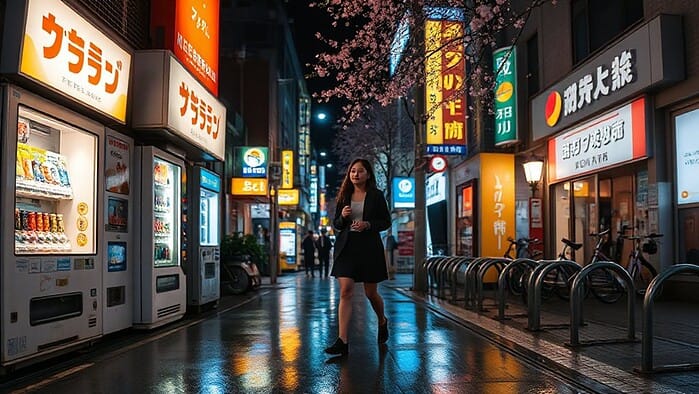
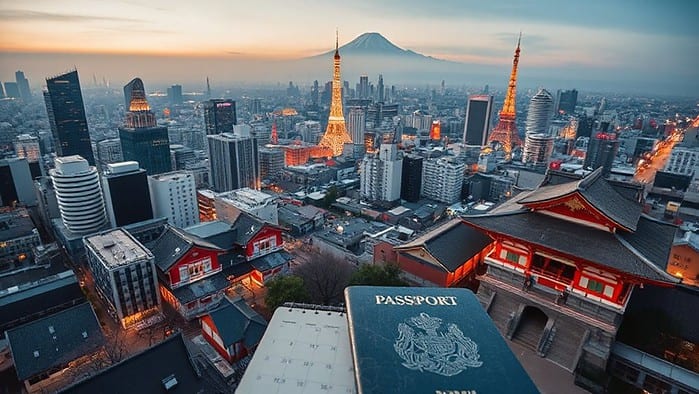
You can save money in Tokyo by planning your daily budget around transit, food, and lodging. Use a Suica or Pasmo card for seamless, discounted travel. Stay in hostels or capsule hotels for under $35 a night. Eat at convenience stores or budget restaurants—meals can cost less than ¥1,200. Visit free temples and parks, and use city passes to cut attraction costs. Book flights early and travel off-peak for better deals. There’s more to learn about stretching your yen further.
TLDR
- Use Suica or Pasmo cards and one-day passes to save on Tokyo’s efficient public transportation.
- Stay in capsule hotels, hostels, or budget business hotels to cut lodging costs significantly.
- Eat affordable meals like onigiri, gyūdon, and discounted bento boxes from supermarkets after 7 PM.
- Visit free attractions such as parks, temples, and waterfront areas to enjoy Tokyo without spending.
- Book flights and accommodations early, and travel during off-peak seasons for the best savings.
Understanding Daily Budget Ranges in Tokyo

While your travel style will ultimately shape your daily spending, understanding the typical budget ranges in Tokyo helps you plan more effectively.
Budget travelers spend around $68, while mid-range travelers average $180. Luxury trips exceed $515 daily. Costs vary by region—Tokyo is pricier than rural areas. Adjust your budget for meals, transit, and lodging to match your comfort and freedom. Tokyo’s status as one of the most expensive cities in Japan means that even small expenses can add up quickly, especially for tourists unfamiliar with local pricing—one of the most expensive cities globally. Hong Kong’s compact layout and excellent public transit make it easy to save money on transportation.
Maximizing Savings on Public Transportation
Getting around Tokyo doesn’t have to be expensive if you know how to use the transit system wisely.
Use a Suica or Pasmo card for seamless travel across JR, subway, and bus lines.
Buy a one-day pass if riding subways heavily—900 yen covers all Tokyo Metro and Toei lines.
For JR trains, grab the 760-yen Tokunai Pass.
Avoid rush hours and tap, don’t fumble.
You can also save time and energy by taking an electric vehicle tour of large sites like the Christchurch Botanic Gardens, where electric vehicle tours cover the expanse faster than on foot.
Choosing Affordable Accommodation Options

If you’re looking to keep your lodging costs down in Tokyo, choosing the right type of accommodation can make a big difference.
Capsule hotels offer pod-style stays for $17–34/night, while hostels like Nui Hostel provide dorms from $20. Sanya has budget private rooms under $34.
Business hotels average $54–100, but prices rose 20–25% in 2025.
Airbnb rentals start at $54/night.
Book early to secure better rates.
Many travelers also enjoy sampling local street food as an affordable way to experience the city and save on meals.
Managing Daily Food Expenses Wisely
To keep your daily food costs low in Tokyo, you can rely on a variety of affordable and convenient options that still offer quality and flavor.
Grab onigiri for ¥150–200 or hit supermarkets after 7 PM for 50% off bento boxes. Choose gyūdon chains like Matsuya (¥380) or ramen under ¥1,200.
With smart choices, your daily meals can stay around ¥2,500 without sacrificing taste. Consider visiting a nearby Temple Street Night Market for lively street food and budget-friendly eats.
Budgeting for Attractions and Entry Fees

You can cut attraction costs substantially by planning ahead and using sightseeing passes that bundle entry to top Tokyo destinations. The Tokyo Pass offers unlimited access to over 50 sites from $38.
Consider the Tokyo City Pass or Museum Grutto Pass 2025 for added savings. Combine passes with subway tickets, book online for discounts, and visit free spots like parks and temples to maximize flexibility and reduce expenses. The city also blends nature with modern architecture and technology, so don’t miss free highlights like waterfront promenades and public gardens Marina Bay Waterfront.
Planning Around Major Events for Better Deals
While Tokyo’s major events draw huge crowds and inflate travel costs, timing your visit around these occasions can lead to significant savings. Skip Golden Week and Sumo Tournaments to avoid peak prices. Instead, travel in March, July, or November for lower rates.
Attend free events like Sumida River fireworks or Shinjuku’s Eisa Festival. Book just before or after major festivals for the best deals on stays and transport. Consider visiting cultural festivals like Loi Krathong in regional destinations for unforgettable visual experiences and family-friendly activities.
Reducing Costs With Smart Flight Bookings

Book your flight to Tokyo 4–6 months in advance to snag the best prices, as fares tend to rise once seats start filling up.
Traveling during off-peak seasons like early spring or late autumn can also cut costs, since demand drops outside of cherry blossom and fall foliage periods.
Use flexible date searches on Google Flights or Skyscanner to compare pricing across weeks and catch those lower fares.
Book Early for Deals
Snagging the best flight deals to Tokyo starts with timing your search and booking well ahead of departure.
Book domestic flights at least 28 days early for 24% savings. For Tokyo’s Cherry Blossom Festival, reserve 4–10 months in advance.
High-demand routes like New York to London rise in price closer to departure, so lock in early.
Use price alerts to catch drops, like $426 fares, and avoid last-minute bookings for true savings.
Leverage Off-Peak Seasons
You can save considerably on flights and accommodations by timing your Tokyo trip around off-peak seasons, when fewer tourists mean better deals and less crowded attractions.
Visit late May or mid-March for mild weather and lower prices. Choose winter’s quiet weeks or the rainy season for indoor exploration and reduced costs.
Early December and late September also offer savings, fewer crowds, and pleasant conditions—perfect for travelers seeking value and freedom.
Allocating Funds for Souvenirs and Extras
You should set a clear souvenir budget to avoid overspending, especially with tempting finds like anime merch or tech gadgets.
Aim to allocate $50 to $200 over 10 days, reserving $100 for small gifts and keepsakes.
Stick to your limit by choosing affordable options like keychains, 100-yen store items, or snacks such as Tokyo Banana.
Souvenir Spending Limits
Often, travelers find it helpful to set a clear souvenir budget early in their trip planning. You should aim to spend $50 to $200 over 10 days.
Small keepsakes like keychains or snacks cost $2 to $10, while traditional items range from $20 to $100. Tech or premium goods can reach $500, so prioritize what matters most to you.
Budgeting for Extras
While core expenses like accommodation and transportation make up the bulk of your Tokyo budget, planning for extras guarantees a more realistic and stress-free trip.
You’ll want to allocate $10–$20 daily for small purchases. Budget travelers spend $68 daily, while mid-range and luxury travelers budget $180 and $515 respectively, allowing more flexibility for souvenirs, connectivity, and unique experiences.
And Finally
You now have practical ways to manage your Tokyo travel budget effectively. By planning transport, food, and lodging wisely, you save without sacrificing experience. Daily costs add up, so track spending and prioritize free or low-cost attractions. Booking flights early and avoiding peak events helps too. With careful choices, you enjoy Tokyo affordably while staying comfortable and informed throughout your trip.