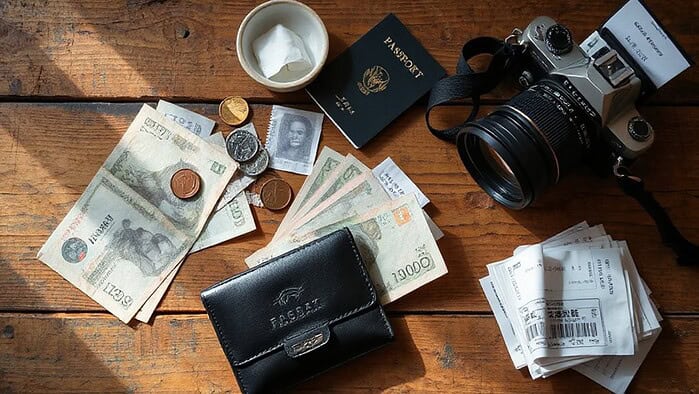
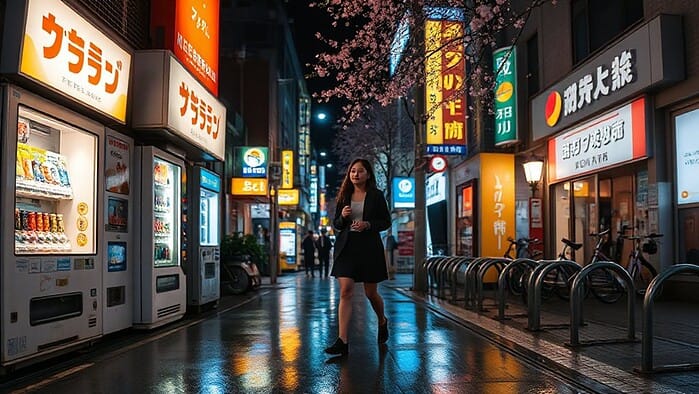
Watch out for Kabukicho bar scams where women lure you in, then vanish after you’re hit with inflated bills. Avoid fake monks in tourist areas who demand payment for “free” charms. Steer clear of unlicensed white taxis—they often overcharge or trap passengers. Overpriced themed cafes and restaurants may charge foreigners double. Always check taxi plates (real ones are green) and know standard prices. Spotting these patterns helps you stay safe—and knowing more keeps you one step ahead.
TLDR
- Avoid unlicensed bars in Kabukicho that lock doors and present inflated bills after women disappear.
- Steer clear of fake monks in tourist areas who demand payment after giving free bracelets.
- Use only licensed taxis with green plates; avoid white-plated shirotaku vans at airports or hotspots.
- Watch for overcharging at themed cafes or restaurants that add excessive fees for simple items.
- Research local prices and use trusted booking apps to avoid tourist-targeted scams and rip-offs.
Kabukicho Bar Scams: The Hidden Cost of a Drink
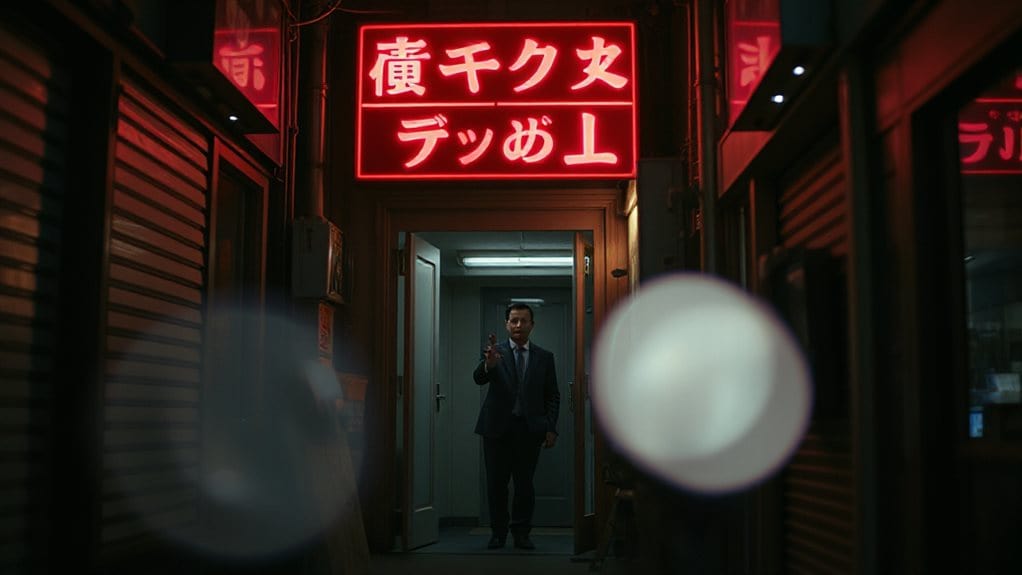
While exploring Tokyo’s nightlife, you might be approached through a dating app or on the street with an invitation to a bar in Kabukicho—what seems like a casual night out could quickly turn into a costly scam. Electric razors are allowed in carry-on or checked luggage, but always pack carefully to avoid issues.
Women lure men in, then disappear after inflated bills arrive.
Bars lock doors, spike drinks, and pressure you to pay thousands.
Avoid unlicensed basement bars, verify charges, and leave if pressured.
Some victims have been forced to withdraw cash on the spot to cover inflated penalty charges.
Fake Taxi Operations: Navigating Tokyo’s Transportation Traps
Watch for white license plates—real taxis have green plates with white lettering.
Skip any driver who approaches you first or lingers near airport exits, as licensed cabs wait at marked stands.
Instead, use trusted apps or official dispatch points to guarantee a safe, fair ride.
The DMZ is about 23 km from Seoul and highlights how close major cities can be to tense borders.
Spot Illegal Taxi Signs
Keep an eye out for unmarked large vans or minivans offering rides at tourist hotspots, as these could be signs of *shirotaku*—illegal taxi operations running without proper licenses.
They often lack official markings, charge low fares, and carry too many passengers.
Avoid them by choosing licensed taxis with visible identifiers.
These unregulated rides skip safety standards, putting your freedom and safety at risk.
Use Trusted Ride Apps
You can steer clear of fake taxi operations in Tokyo by relying on trusted ride apps that connect you directly to licensed drivers.
Use platforms recommended on sites like Booking.com or official transport apps for metered, transparent fares.
Pre-book rides to avoid street touts, and pay with digital wallets to reduce cash risks.
These tools give you freedom, safety, and control while traversing the city’s busy streets.
Overcharging Incidents: When Tourist Prices Go Too High
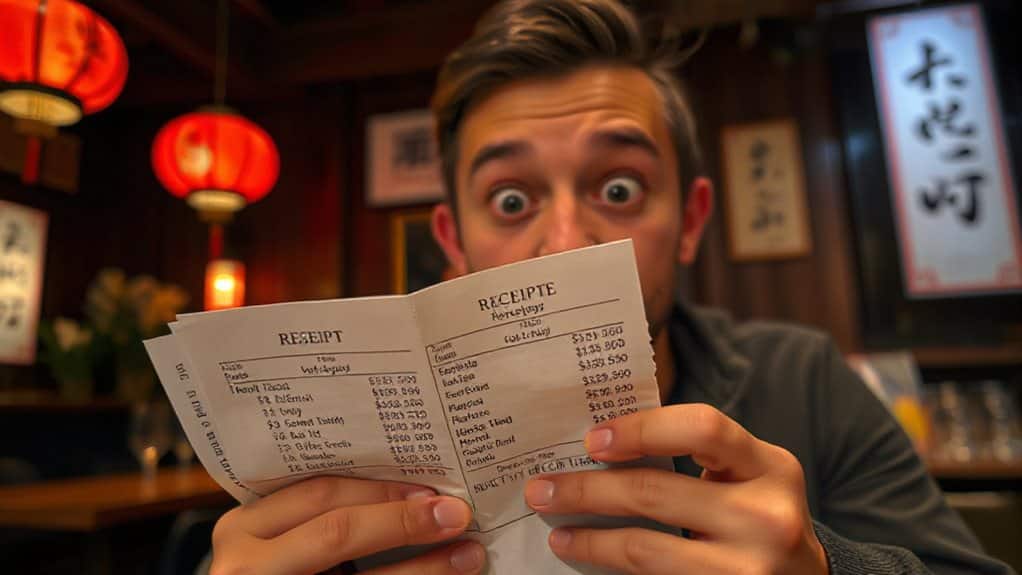
Tourist prices in Tokyo and other popular Japanese destinations sometimes cross the line into overcharging, especially in areas frequented by visitors unfamiliar with local rates.
You might pay double for ramen in Niseko or face ¥6,500 ski lift tickets as a foreigner.
Unlicensed “white taxis” and Kabukicho bar scams can charge thousands.
Even convenience stores inflate prices during peak seasons, making vigilance essential.
Thailand’s tourism industry is a major contributor to GDP, so travelers should be aware of common tourism practices and local pricing to avoid overcharges.
Fake Monk Encounters: Beware of Blessings With a Price Tag
You might be approached by someone in monk’s robes offering a free bracelet or charm, but don’t be fooled—once you accept, they’ll demand payment of 10,000 yen or more. These fake monks operate in busy spots like Ueno and Harajuku, using pressure and confusion to make you pay for what was never a gift. Many tourists fall for similar tactics in busy tourist areas like Khao San Road.
Fake Monks Demand Money
While exploring popular cultural sites like Ueno Toshogu Shrine in Tokyo, you might encounter individuals dressed as Buddhist monks who approach with a smile and an offer of a free amulet.
They’ll slip a bracelet on your wrist, then demand 10,000 yen as a “donation.” These fake monks, often in groups, target tourists—real monks never solicit money. Walk away without engaging.
Blessings Come at a Cost
When you’re approached by someone in robes offering a blessing or gift near a shrine, it might seem like a meaningful cultural moment—until the price tag appears.
These so-called monks hand you items like bracelets or notes, then demand 10,000 to 20,000 yen. The goods cost nearly nothing. Real monks don’t solicit donations this way—just walk away.
Avoid Street “Spiritual” Offers
A blessing offered on the street near a shrine might seem like a spontaneous moment of cultural connection, but in Tokyo’s busiest districts, it often signals the start of a scam.
Fake monks hand you a bracelet or amulet, then demand thousands of yen. They work in groups, use pressure, and often aren’t Japanese. Real monks don’t solicit—walk away, don’t engage, and verify with shrine staff if unsure.
Themed Cafe Lures: The Dark Side of Akihabara Attractions
If you’re drawn to Akihabara’s colorful maid cafes by the promise of quirky entertainment and themed drinks, you mightn’t realize you’re stepping into a scene rife with unlicensed operations and hidden risks.
Staff may lure you from the street, then tack on ¥7,000 for a soda or upsell “special” drinks and photo sessions.
Some cafes lack websites or proper permits, and unauthorized ones have faced police raids.
Know the signs—aggressive soliciting, no online presence, inflated pricing—to protect your freedom and wallet.
Unopened drinks are often carried out without issue in luggage, but packing multiple cans is best done in checked baggage with protective wrapping to avoid leaks or damage and to comply with checked luggage guidelines.
General Tourist Rip-offs: Staying Safe in Popular Districts
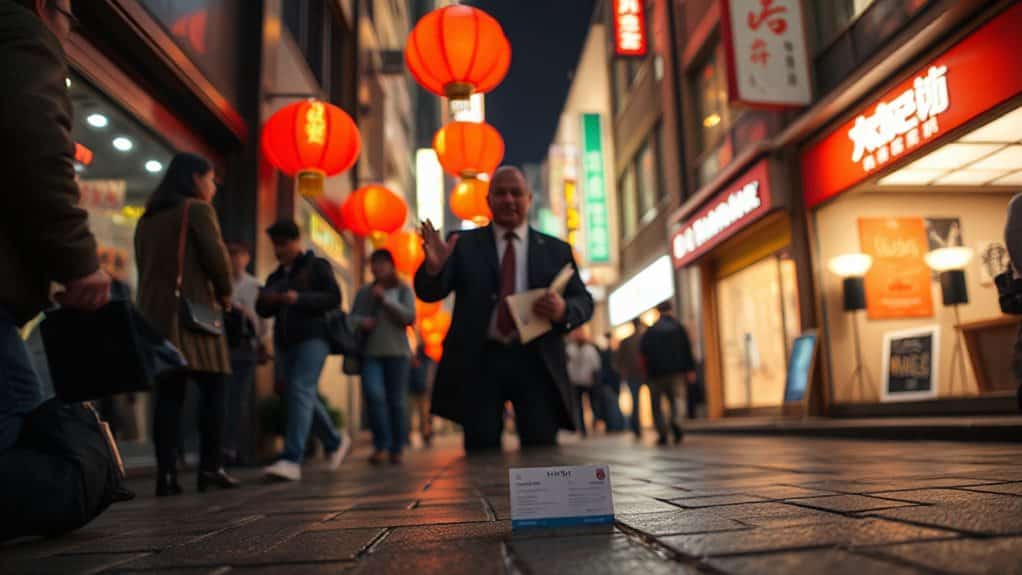
Though Tokyo is generally safe, you’ll want to stay alert in popular districts where tourist rip-offs are more common.
Scammers in Kabukicho and Roppongi use touts to lure you into bars with cheap drinks, then hit you with bills worth thousands.
Avoid matching app meetups that lead to colluding bars, watch for dual pricing in restaurants, and skip unlicensed taxis or fake monks asking for donations.
Consider visiting trusted attractions nearby, such as guided cultural performances, which can offer safer, vetted experiences.
And Finally
You can avoid common tourist scams in Tokyo by staying alert and informed. Stick to reputable bars in Kabukicho, use licensed taxis, and confirm prices upfront to prevent overcharging. Be cautious around unsolicited blessings from fake monks and understand themed cafe policies before entering. Knowing these risks helps you enjoy Tokyo’s attractions safely and confidently, without unexpected costs or unpleasant surprises. Stay aware, and your visit will be far more rewarding.