Choose a travel style—backpacker, mid‑range, campervan, or hitchhiker—and base your daily budget on accommodation, transport, food, and activities. Book hostel dorms early, aim for weekdays, or rent shared Airbnb rooms to keep lodging under NZD 30‑120. Use InterCity FlexiPass and book buses ahead for tickets as low as NZD 25. Cook with local market produce and prioritize free attractions like Te Papa. Cluster destinations regionally to cut travel days, and track every expense to stay on target; more tips follow.
TLDR
- Travel off‑peak (July–August) and stay in weekdays to cut accommodation costs up to 30% and secure cheaper hostel dorms.
- Use InterCity FlexiPass and book bus tickets early; flash‑sale apps can lower intercity fares from $50–$90 to $25–$45.
- Choose budget lodging: backpacker hostels, shared off‑campus rooms, or Airbnb private rooms under $150 NZD per night; avoid high‑priced city centers.
- Cook meals with local seasonal produce from farmers’ markets and bulk‑buy pantry staples to keep daily food expenses between $25–$36 NZD.
- Prioritize free or low‑cost activities—national parks, free museums, and hikes—to limit activity spending to roughly $63 NZD per day.
Pick a Travel Style and Calculate Your Daily NZ Budget

How much can you comfortably spend each day in New Zealand? Choose a style—budget backpacker, mid‑range, campervan, or hitchhiking—and add its typical costs. A backpacker averages $131 NZD, covering hostels, cheap food, bus rides, and a few activities. Mid‑range travelers spend $150‑250 NZD, with private rooms and mixed meals. Campervans run $20‑30 NZD plus fuel, while hitchhiking averages $37 NZD for transport. Add food ($25‑36 NZD) and activities ($63 NZD) to hit your daily total. Peak season can raise accommodation prices by up to 30 %. Consider staying in residential areas if you want quieter nights away from nightlife and crowds.
Secure the Cheapest Accommodation for Your NZ Travel Budget
You can lock in a cheap hostel dorm by checking multiple booking platforms and targeting weekdays, when rates often dip below $30 NZD.
For a bit more privacy, compare Airbnb private‑room listings that frequently drop to $23–$32 NZD per night, especially in off‑peak months like July.
Mixing these two strategies lets you balance cost and comfort while staying within a tight travel budget.
Hostel Dorm Booking
When planning a New Zealand trip, securing the cheapest hostel dorm can make a huge difference to your budget. Book early through university housing portals or digital platforms, especially for on‑campus halls where first‑year and international students get priority.
Target off‑campus shared rooms in Otago or Canterbury for $120‑$300 weekly rates. Use quick‑check‑in apps to lock spots before the 2026 demand surge.
Airbnb Private Room Deals
Auckland’s Airbnb private rooms make up 11.5 % of the market and typically cost around NZD 120 per night, offering a budget‑friendly alternative to entire homes that average NZD 210.
You’ll find 53 % occupancy year‑round, with low‑season rates near NZD 146, perfect for negotiating deals. Shoulder season spikes to 67 % occupancy, increasing availability.
Compared nationally, Christchurch’s private rooms average NZD 151, while Queenstown’s reach NZD 416, so Auckland remains the most affordable, high‑supply option for independent travelers.
Slash Transport Costs to Keep Your NZ Budget Low

You can lock in lower fares by booking your intercity bus seats early, which often secures a discount before the standard price takes effect.
The InterCity FlexiPass lets you travel on multiple routes for a fixed fee, giving you flexibility while keeping costs predictable.
Combining early reservations with the FlexiPass can shave a noticeable amount off your overall transport budget.
National museums are free on first Sundays from November to March, which can help free up funds for transport.
Book Buses Early
How much could you save by securing your bus tickets weeks ahead? Booking early locks in fares of 25‑45 NZD per ride, while last‑minute tickets can double to 50‑90 NZD. Use InterCity, Naked Bus, or ManaBus for advance deals, and set alerts on apps for flash sales. Early purchases cut transport costs by up to 50 %, keeping your daily budget low and preserving travel freedom.
Use InterCity FlexiPass
Where does a backpacker save the most on New Zealand transport?
The InterCity FlexiPass lets you purchase 10-80 hours of travel, with per-hour cost dropping to $7.38 for 70 hours.
It covers 600+ destinations, the InterIslander ferry, and day-tour buses.
You can book, cancel, or top-up via the app, travel any direction, and stay as long as you like, all within a 12-month validity.
Cook Like a Local to Stretch Your NZ Budget
Seasonal produce is the cornerstone of a budget‑friendly Kiwi kitchen, because buying what’s grown locally and at its peak not only delivers better flavor but also cuts costs dramatically compared with imported items. Head to farmers’ markets first, grab in‑season tomatoes, kumara, and kokihi, then plan meals around them.
Bulk‑buy pantry staples, use native ingredients like koura or karengo, and cook one‑pot dishes such as mince fried rice or lentil‑infused cottage pie to stretch every dollar. Airlines often have seat widths around 17–18 inches, so consider seat width when packing to ensure comfort on budget flights.
Select Free or Low‑Cost Activities for an NZ Budget‑Friendly Trip

What can you do without spending a dime while exploring New Zealand? Hike Abel Tasman’s beaches, tackle Tongariro Alpine Crossing, or summit Maungawhau for city panoramas.
Snorkel at Okakari Point Marine Reserve, wander Redwoods forest, and visit Te Papa and Auckland Art Gallery for free culture.
Enjoy waterfalls on Auckland’s West Coast, stargaze in the South Island, and relax at Hot Water Beach. All are accessible, low‑cost, and liberating. Consider packing smart by choosing flexible organizers like compression bags to maximize space and reduce wasted room in your luggage.
Create a Simple Itinerary That Minimises Travel Days
How can you keep travel days to a minimum while still seeing New Zealand’s highlights? Cluster destinations by region and use short hops. Fly between islands, then base yourself in Queenstown, Taupo, and Auckland for day trips. Drive 2‑3 hours on the South Island, under 2 hours on the North, and use InterCity buses for longer legs. This limits travel days and maximizes exploration. Consider using ADS-B and other layered safety tools when planning flights or short hops to stay informed about nearby traffic.
Track Every NZD and Stay Within Your NZ Travel Budget

Keeping a tight grip on every NZD you spend turns a vague budget into a concrete plan, and it’s the next step after you’ve already minimized travel days. Record groceries, transport, activities, and restaurant costs daily; a 25‑day trip shows averages of 9.40 NZD for food, 40.50 NZD for transport, 33 NZD for activities, and 53.70 NZD for dining. Use a simple spreadsheet or budgeting app, update it each night, and compare totals to your target of 120‑160 NZD per day. Early bus bookings, cooking meals, and limiting paid attractions keep you within a 1,700‑2,200 NZD two‑week range, preserving financial freedom while you explore. For travellers checking luggage limits, consider a 50 kg capacity luggage scale to avoid overweight fees and unexpected costs.
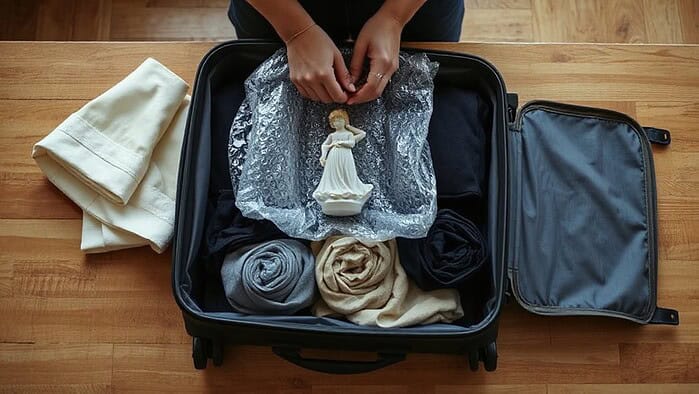
Pack Light to Avoid Luggage Fees and Preserve Your NZ Budget
Ever considered how much a few extra kilograms can cost you on a New Zealand trip? Stick to Air New Zealand’s 7 kg carry‑on limit (plus a small item) to dodge fees and speed through security. If you’re premium, you can bring two pieces up to 14 kg total. Use a single checked bag within the 23 kg allowance, pre‑pay extra bags online for discounts, and avoid overweight penalties. This packing discipline protects your budget and keeps you mobile.
And Finally
By choosing a travel style, budgeting daily expenses, and securing cheap lodging, you set a solid foundation. Cutting transport costs, cooking like a local, and opting for free or low‑cost activities stretch your funds further. A simple itinerary that reduces travel days, diligent expense tracking, and packing light keep unexpected fees at bay. Follow these steps, and you’ll stay within your New Zealand budget while still experiencing the country’s highlights.