
Pick fast‑track lanes and use a digital boarding pass to cut 10‑30 minutes, then drop bags at an automated kiosk for another 10‑30‑minute save. Check real‑time lane and gate data from CUPPS, FootfallCam, and Cirium to plan your security, curb‑to‑flight, and layover times, and sync ApronAI with RMS for gate updates. Visit Bree Health Pods or lounge wellness zones for a quick 10‑20‑minute stress‑relief session, and follow security rules for items like vaping devices. Tailor your arrival time and navigation app using your personal stress profile, and you’ll discover more tips ahead.
TLDR
- Choose fast‑track lanes and use digital boarding passes to cut 10–30 minutes from check‑in and security.
- Drop bags at automated stations and enable Advance Lane Assignment to reduce wait times by ~12 %.
- Pull real‑time gate and security data (CUPPS, FootfallCam, Cirium) to adjust your schedule on the fly.
- Use wellness pods or lounge zones for 10–20 minute relaxation sessions to lower stress during layovers.
- Profile your travel habits and biometric stress data to personalize arrival timing and navigation for each trip.
Select Airport‑Specific Tech (Fast‑Track, Digital Boarding, Automated Bags) Before You Travel
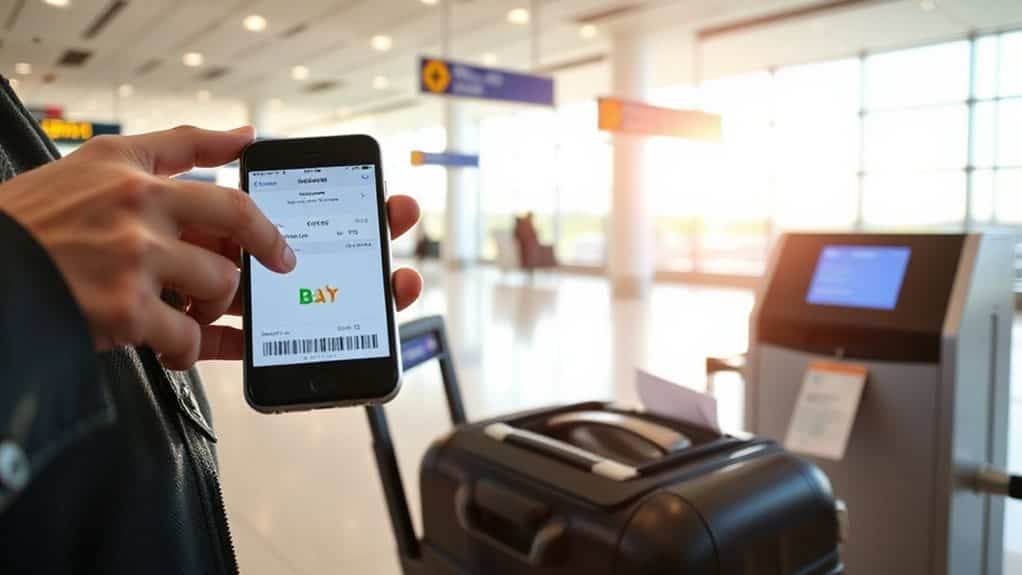
Ever wonder how a few tech tools can shave minutes off your airport routine? Choose fast‑track lanes to cut 10‑30 minutes, especially if you’re in the Americas where 78% rank it top.
Grab a digital boarding pass for seamless, contactless check‑in, and drop bags at an automated station to save up to 30 minutes. Be cautious in crowded areas and keep valuables secure to avoid common pickpocketing tactics.
Check real‑time lane data, prioritize personal assistance, and align with your schedule for a smoother, freer travel experience. Implementing an Advance Lane Assignment System can further reduce average wait times by about 12 % compared to first‑come‑first‑served queues.
Create a Step‑by‑Step Airport Schedule Using Live Capacity Data for Stress Reduction
Choosing the right tech tools gets you through the airport faster, but the next step is turning that speed into a concrete, stress‑free timeline. Pull real‑time gate data from CUPPS and FootfallCam, then map hourly security busyness using Cirium Level of Ops.
Sync ApronAI API with your RMS to auto‑adjust gate assignments.
Monitor curb‑to‑flight flow, flag delays via Assaia, and tweak the schedule on the fly for seamless travel. Consider also planning layover and transit time using daily transit estimate to match local congestion patterns.
Visit Wellness Zones and Bree Health Pods for 10‑20 Min Stress‑Relief Sessions
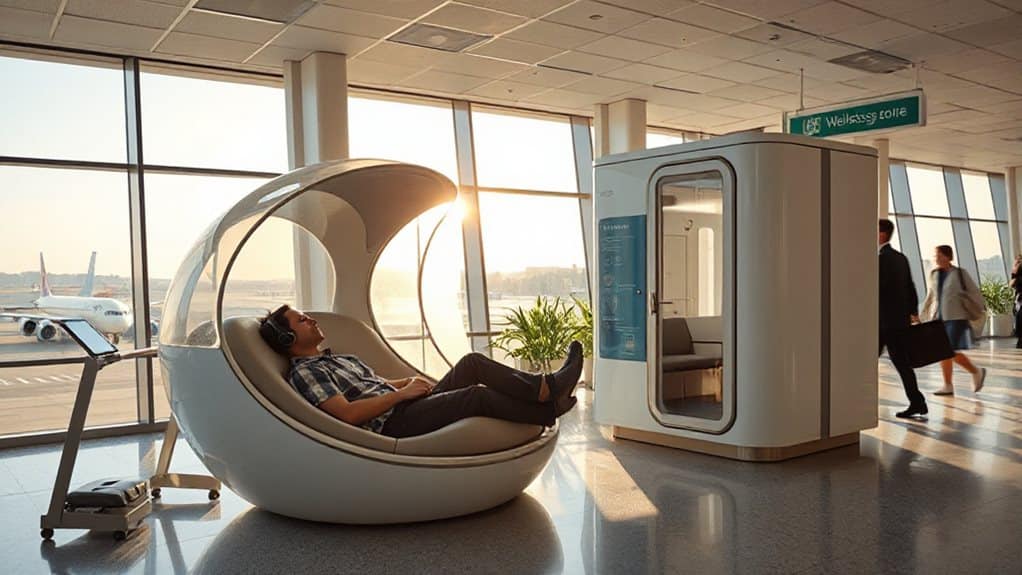
Looking for a quick way to unwind before boarding? You can step into a Bree Health Pod or a lounge wellness zone for a 10‑20‑minute session.
Pods blend guided meditation, soundscapes, and lighting to lower stress and enhance cognition by 15 %.
Lounges offer mini‑massages, anti‑gravity chairs, and facials.
These services fit tight schedules, improve satisfaction, and help you travel lighter.
Delta also offers options like requesting a seatbelt extender or purchasing an extra seat when space and comfort are a concern.
Fast‑Track Security and Baggage Drop to Keep Stress Low
How can you shave 15‑30 minutes off your pre‑flight routine? Use fast‑track security and automated baggage drop. Fast‑track cuts average queues from 20‑40 minutes to under 15, saving 15‑30 minutes at major hubs like IST, YYZ, RUH, and GRU. Automated drops trim another 10‑30 minutes, with 45 % of travelers reporting faster, smoother journeys and reduced stress. Remember to follow security rules for items like vaping devices when using checkpoints to avoid delays.
Pack Fun Distractions to Ease Inevitable Wait‑Time Anxiety
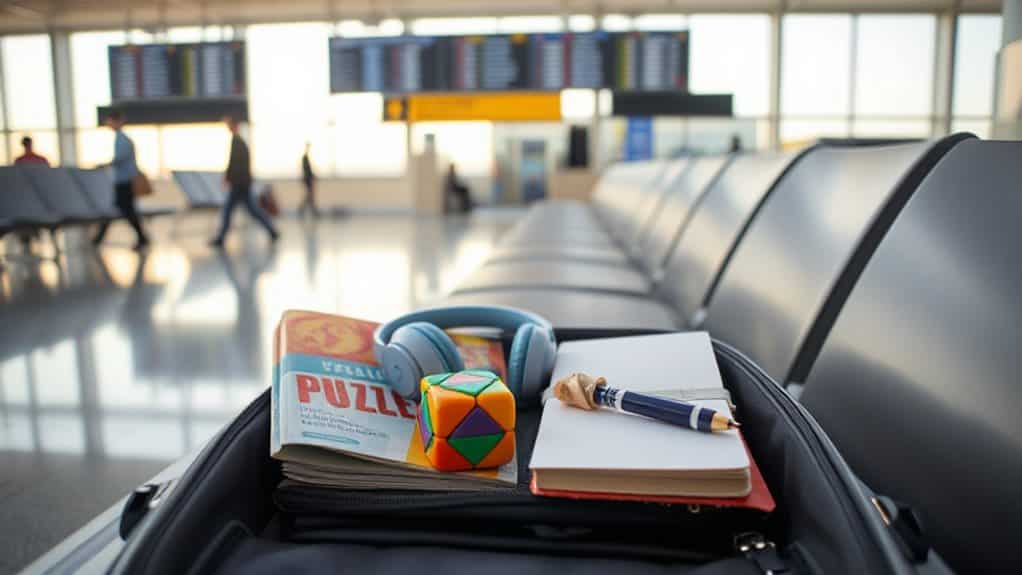
After cutting down security and baggage‑drop queues, the next step is to fill the inevitable waiting periods with purposeful distractions. Pack a lightweight e‑reader loaded with short stories, a portable game console, or a puzzle app to keep your mind busy during 15‑25‑minute TSA lines. Include noise‑cancelling headphones for podcasts, and a sketchpad for quick doodles, ensuring you stay entertained without sacrificing carry‑on space. Remember to keep any spare batteries and power banks in your carry‑on and protected from short circuits to comply with safety rules and airline policies, especially for power banks.
Review Your Personalized Stress Profile and Adjust for the Next Trip
You start by profiling your demographics and past travel patterns, then you analyze each trip’s biometric and self‑assessment data to spot recurring stress spikes.
From those insights you can tweak your airport routine—like arriving earlier for security or using navigation apps—to target the specific triggers that affect you most.
Finally, you apply the optimized plan to the next journey, monitoring the same metrics to confirm the adjustments are reducing your overall workload.
Consider adding a streamlined carry‑on setup with a TSA-approved quart-sized bag to simplify security checks and reduce preflight anxiety.
Profile Your Demographics
What age group you belong to, your job’s stress level, and whether you’re a parent or frequent flyer all shape your airport experience. Identify your generation, job pressure, parenting status, and travel frequency to pinpoint stress triggers—crowds for Boomers, noise for Gen Z, planning for parents, and social disturbances for frequent flyers. Use these demographics to tailor strategies, prioritize quiet zones, streamline bookings, and allocate buffer time for delays.
Analyze Trip History
How can you turn past trips into a roadmap for smoother airport experiences? Review your biometric stress dashboard, noting EDA spikes at security queues, eye‑tracker confusion on signage, and bracelet data on arrival routes. Compare those peaks with queuing‑network predictions for peak hours and gate performance. Identify recurring stressors—baggage claim, layovers, or high‑density zones—and adjust your travel plan, choosing faster tracks or quieter times for the next flight.
Optimize Based on Insights
After mapping past trips to stress spikes, the next step is to turn those observations into concrete adjustments for your upcoming expedition. Review your biometric and emotional data, pinpoint security checkpoints, queue delays, and noisy zones as triggers, then request extra staff, dynamic signage, and quieter, well‑lit waiting areas.
Adjust pacing, use re‑bagging spots, and balance automation with human assistance to keep stress low.
And Finally
By planning ahead, using airport‑specific tech, and following a live‑capacity schedule, you’ll cut down wait times and stay organized. Wellness zones and short‑duration health pods give quick stress relief without disrupting your itinerary. Fast‑track options for security and baggage keep lines short, while packed distractions make inevitable waits more tolerable. Review your stress profile after each trip, tweak your routine, and you’ll consistently experience smoother, stress‑free airport journeys.